Why a Customer Portal is Essential for Modern Freight Forwarders
Thursday, October 1 2026

Modern logistics operations demand more than just moving goods from point A to point B. Clients today expect real-time visibility, instant document access, and seamless communication at every stage of the supply chain. For freight forwarders, relying on manual email threads and phone calls to provide status updates is no longer sustainable in a competitive market. Implementing a dedicated customer portal allows your business to centralize data, improve transparency, and empower your clients with self-service tools. By digitizing the client experience, you reduce operational friction and position your company as a tech-forward leader in an increasingly complex global industry.
Boosting Operational Efficiency

Streamlining communication through a centralized portal minimizes the time spent on repetitive tasks. Instead of manual status updates, your team can focus on complex logistics challenges, knowing that essential information is readily accessible to your clients at any hour.
- Real-time Tracking Updates: Clients gain instant access to live shipment data, reducing the need for constant phone inquiries and allowing your team to focus on high-value logistics management tasks.
- Automated Document Management: Store all invoices, bills of lading, and customs documentation in one secure location to ensure that critical paperwork is always accessible to authorized account users.
- Simplified Communication Channels: Reduce email clutter by using the portal internal messaging system to keep all project conversations organized and linked directly to specific shipping records and documents.
- Instant Quotation Access: Provide clients with the ability to view previous rates or request new quotes directly through the portal, speeding up the sales cycle and increasing booking conversions.
By automating the exchange of information, you create a self-service environment that benefits both parties involved. Clients enjoy the speed of instant access, while your staff experiences a significant reduction in administrative overhead. This shift allows you to handle higher volumes of shipments without a proportional increase in personnel costs, effectively scaling your operations while maintaining a high standard of personalized service.
Enhancing Client Transparency
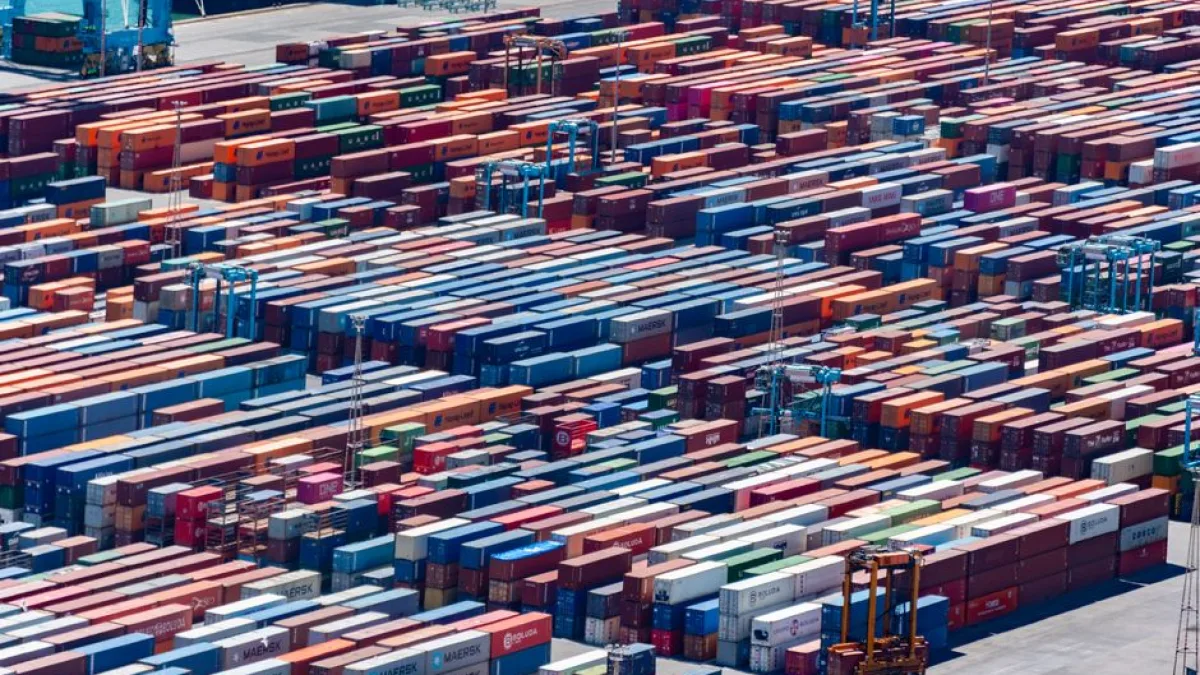
Visibility is the backbone of trust in the freight industry. Providing clients with a clear window into their supply chain operations fosters long-term loyalty and reduces the anxiety associated with international shipments and unpredictable global transit delays.
- Live Shipment Dashboards: Visualize current freight status through interactive maps and progress bars, ensuring that stakeholders remain informed about every milestone from origin to final destination warehouse.
- Predictive Milestone Alerts: Configure automated notifications that warn clients about potential delays or arrival updates, allowing them to adjust their internal planning based on real-time transit data.
- Account Health Insights: Offer clients a comprehensive overview of their shipping history and performance metrics, helping them identify patterns and make data-driven decisions for future transport.
- Secure Data Access: Ensure sensitive information remains protected with granular user permissions, giving your customers peace of mind while they manage their global freight activity through the interface.
Transparency acts as a powerful differentiator in a crowded freight forwarding landscape. When you invite your customers to participate in the tracking process, you build a foundation of reliability. This open approach prevents misunderstandings and demonstrates a commitment to professionalism that standard email communication simply cannot match. Investing in visibility tools is the most effective way to retain your top-tier clients.
Standardizing Global Processes
Standardization ensures that every shipment follows a predictable workflow. By utilizing a portal, you enforce uniform data entry and document naming conventions, which significantly reduces the risk of human error across your international shipping operations and partners.
- Uniform Workflow Templates: Guide your team and clients through standard booking procedures to ensure that all required details are captured consistently every single time a load moves.
- Digital Approval Workflows: Implement structured signing processes for essential documents within the portal to keep legal requirements satisfied and reduce the turnaround time for critical paperwork.
- Centralized Partner Data: Integrate information from carriers and customs brokers into a single view, creating a unified record that simplifies reconciliation and prevents data silos from forming.
- Scalable Service Delivery: Use repeatable digital processes to onboard new clients or expand into new trade lanes without needing to reinvent your service model for every job.
Consistency is the hallmark of a high-quality logistics provider. By funneling all activity through a single digital gateway, you eliminate the chaos of disparate workflows. This professional structure not only improves your internal productivity but also presents a polished, unified brand image to your clients. As your business grows, these standardized digital processes become the foundation for reliable and scalable international service.
Driving Competitive Advantages

Leveraging specialized software provides a clear edge in the freight sector. Companies that utilize portals are able to offer premium services that manual forwarders cannot, ultimately winning larger contracts and securing a stronger position within the logistics ecosystem.
- Improved Customer Retention: Provide a high-tech experience that keeps clients coming back, as they become accustomed to the convenience of your integrated digital freight management interface tools.
- Actionable Data Analytics: Leverage the data captured within your portal to offer clients customized business intelligence reports that help them optimize their own supply chain strategies annually.
- Modern Brand Positioning: Signal to the market that your company is at the forefront of digital transformation, attracting tech-savvy businesses that value efficiency and modern logistics software.
- Faster Payment Cycles: Enable faster invoice processing by providing clients with direct access to billing history, which often leads to quicker payment confirmation and improved cash flow.
The transition to a digital portal is an investment in your company future. In a market where speed and information accuracy define success, the ability to provide an integrated self-service platform is mandatory. By adopting these tools, you transform your service from a commodity into a value-added partnership, ensuring your logistics firm remains relevant and profitable for many years to come.
Conclusion
Choosing to implement a customer portal is the most impactful step toward modernizing your freight forwarding business. By focusing on visibility, efficiency, and standardized processes, you elevate the experience for your clients while streamlining your internal operations. Start your digital transformation today to gain a lasting competitive advantage. Contact MakeCargo to learn how our platform can help you build the perfect portal for your unique logistics needs.