Why a Customer Portal is Essential for Modern Freight Forwarders
Friday, October 9 2026

In an era defined by instant digital gratification, freight forwarders face increasing pressure to provide transparency and speed. Relying on manual updates and fragmented email chains no longer satisfies modern shippers who expect real-time visibility into their global supply chains. A dedicated customer portal acts as the digital storefront for your logistics operations, consolidating communication, documentation, and tracking into a single source of truth. By empowering clients with self-service capabilities, forwarders can shed the burden of repetitive administrative tasks. Transitioning to a centralized platform does more than improve operations; it strengthens long-term partnerships through consistent, reliable, and accessible information flows.
Elevating The Client Experience

A professional portal serves as the primary touchpoint for your clients, offering a sleek interface that simplifies complex logistics workflows. By reducing friction during the interaction process, you demonstrate commitment to service excellence while providing users with complete control over their shipment data anytime.
- Self-service data access: Clients can retrieve shipment status updates and critical documents at their convenience, eliminating the need for phone calls or emails to track basic cargo milestones.
- Centralized document management: Store invoices, customs declarations, and bills of lading in a secure environment where clients can download files instantly without searching through endless email message threads.
- Customizable dashboard views: Provide your customers with personalized metrics and charts that highlight the most relevant data points for their specific business needs, ensuring high engagement and utility.
- Instant quote requests: Streamline your sales cycle by allowing clients to submit detailed shipment specifications through a standardized form, ensuring you receive all necessary data for accurate pricing.
Adopting a customer portal significantly reduces the daily volume of manual status inquiries directed at your operations team. When clients gain the autonomy to retrieve their own information, your staff regains valuable time to focus on complex logistics challenges and high-value strategic growth. This transition from reactive service to proactive partnership creates a loyal customer base that values your efficiency and professional digital capabilities.
Real-time Tracking and Visibility
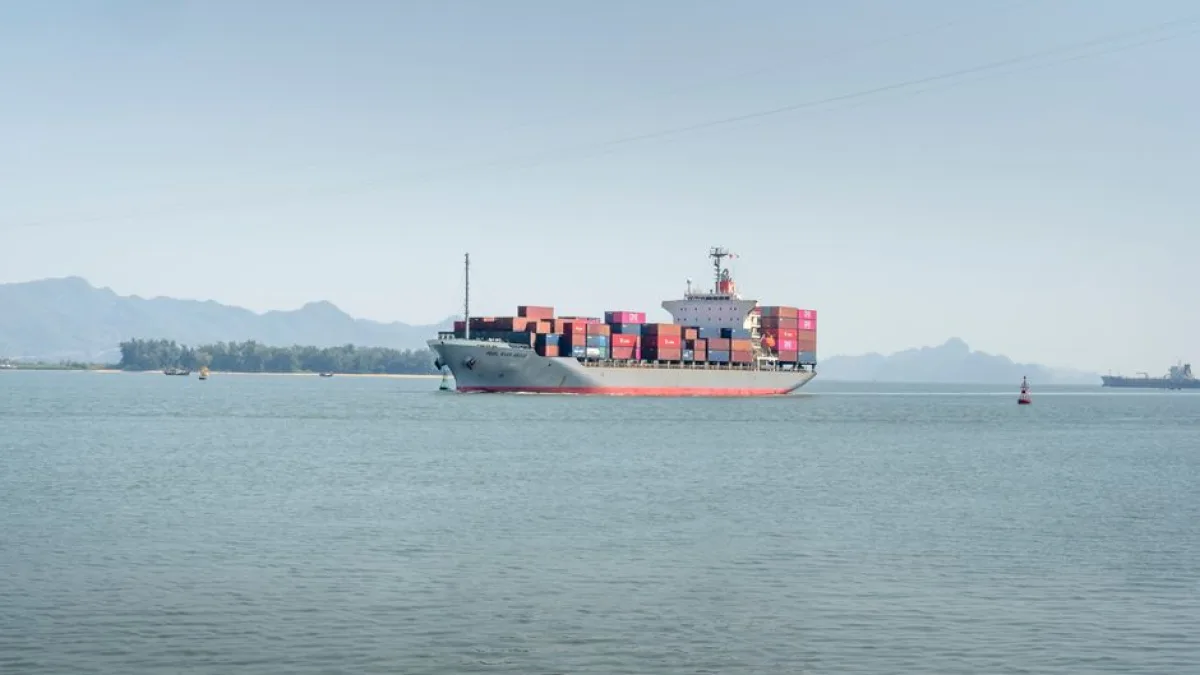
Visibility is the most requested feature from shippers today. Providing live updates via a portal ensures that your clients feel connected to their cargo during every stage of the journey, fostering deep trust in your freight forwarding operations and services.
- Live shipment updates: Integrate GPS and carrier data to provide precise location tracking, allowing clients to see exactly where their freight is located throughout the international transit cycle.
- Proactive status notifications: Send automated alerts when specific milestones are reached, ensuring that your clients remain informed about their cargo progress without having to monitor the dashboard manually.
- Exception management tools: Enable clients to view identified supply chain delays or port congestions immediately, helping them manage their own inventory expectations and downstream customer communications more effectively.
- Visual tracking maps: Offer an interactive map interface that displays the vessel journey, creating a sophisticated and transparent experience that differentiates your service from outdated manual tracking methods.
Transparency is the bedrock of modern logistics. By giving clients a clear view into their shipment journey, you mitigate anxiety and prevent the constant stream of status check inquiries that drain productivity. A portal that offers granular visibility turns the shipment process into a collaborative effort, positioning your company as an indispensable partner that manages logistics complexities with modern tools and precision.
Streamlining Communication Channels

Moving conversations out of scattered email inboxes and into a centralized portal is critical for audit trails. This method keeps every stakeholder aligned and ensures that important instructions or cargo changes are never lost in communication black holes.
- In-app messaging system: Facilitate direct communication between your staff and clients regarding specific shipment IDs, ensuring that context remains preserved for future reference and internal quality control reviews.
- Task management integration: Assign specific actions to your clients through the portal, ensuring that paperwork requirements or missing information requests are clearly tracked until they are completed.
- Secure document sharing: Exchange sensitive shipping documents through encrypted portals instead of email, significantly reducing the risk of data breaches and keeping internal files neatly organized for reference.
- Activity audit logs: Maintain a complete history of all communications and document uploads, which serves as a valuable resource for resolving disputes or confirming critical shipping instructions later.
Consolidated communication prevents costly errors caused by misinterpreted emails or missing attachments. By keeping all project information within a single interface, you ensure that every team member has access to the latest updates and files. This unified approach eliminates the chaos of disjointed feedback loops and reinforces a professional image that consistently meets the needs of high-volume shippers and corporate accounts.
Enhancing Operational Efficiency

A robust customer portal is not just for the client; it is a major win for your internal operations team. By automating routine inquiries and data processing, your staff can operate with higher efficiency and significantly reduced administrative stress.
- Reduced administrative workload: Automatically generate reports and status updates, allowing your team to focus on freight movement rather than answering basic questions about container arrival or document availability.
- Standardized data input: Use mandatory fields in portal forms to ensure that every quote request contains all required information, preventing back and forth communication to clarify shipping details.
- Seamless software integration: Connect your portal to your existing freight forwarding software to ensure that data flows automatically between systems, preventing manual re-entry errors and saving time.
- Improved data accuracy: Allow clients to input and verify their own shipment details, which reduces the margin of error typically associated with manual data entry by your internal operations staff.
Investing in portal technology transforms how your freight forwarding company functions on a daily basis. By delegating routine tasks to the client, you free up your skilled logistics coordinators to manage higher-value shipments and complex problem-solving. This efficiency gain not only increases your bottom line but also creates a scalable business model that can support growth without needing to hire additional administrative support.
Conclusion

Implementing a customer portal is a critical step for forwarders aiming to stay competitive in a digital market. By prioritizing transparency, communication, and self-service access, you build stronger relationships and improve internal efficiency. MakeCargo provides the tools necessary to bridge the gap between complex logistics and simple user experiences. Start your digital transformation today to unlock new levels of customer satisfaction and professional success.