Why a Customer Portal is Essential for Modern Freight Forwarders
Monday, October 12 2026

In an era where digital expectations are rapidly evolving, freight forwarders must transition from manual communications to automated self-service models to remain competitive. A dedicated customer portal acts as the central nerve center for your logistics operations, providing clients with immediate access to their shipment data and documents. By moving away from endless email chains and disconnected spreadsheets, forwarders can reclaim valuable time and drastically reduce operational friction. Adopting this technology is not just about keeping pace with industry trends but about building a foundation of transparency and trust that keeps your shipping partners coming back for more.
Boosting Operational Efficiency

Streamlining internal processes requires tools that reduce repetitive manual tasks for your team. By automating routine inquiries through a portal, your staff can focus on high-value logistics management rather than answering basic shipment status questions throughout the day.
- Real-time status updates: Clients view live shipment milestones instantly within the portal dashboard, effectively eliminating the need for staff to provide manual updates via phone calls or long email threads.
- Automated document management: Securely upload bills of lading, commercial invoices, and packing lists directly to the shipment file for clients to download whenever they need their essential paperwork.
- Reduced manual labor: Automate repetitive data entry tasks by allowing customers to input their own booking details, which minimizes the risk of human error in your core operating system.
- Customizable reporting tools: Empower your clients to generate their own performance reports and shipping analytics, saving your team from manual data aggregation and custom spreadsheet creation every single month.
By empowering clients to retrieve their own data, you effectively reduce the administrative burden on your logistics coordinators. This shift allows your team to move away from reactive customer service toward a more proactive management approach. When your staff spends less time chasing information, they can focus on complex problem solving and optimizing supply chain routes to provide better value to your shipping customers.
Building Stronger Client Trust

Transparency serves as the cornerstone of any lasting business relationship in the freight industry. When you grant customers full visibility into their cargo journey, you demonstrate a commitment to honesty that fosters loyalty and long-term partnership success.
- Enhanced data transparency: Granting full access to shipment history and live tracking data builds immediate confidence by showing your clients exactly where their goods are at every moment.
- Secure document sharing: Protect sensitive logistics information with encrypted portal access that ensures only authorized parties can view or modify specific cargo details and important regulatory documentation.
- Direct communication channels: Integrate chat or inquiry features within the portal to keep all project discussions organized, preventing important details from being lost in crowded personal email inboxes.
- Branded professional experience: Customize the portal interface with your company logo and colors, reinforcing your professional brand identity while clients interact with their personalized logistics project management space.
Trust is earned through consistent performance and clear communication. A portal delivers exactly that by keeping your clients informed without the need for constant hand-holding. As customers see their needs being met through your efficient digital infrastructure, they develop a higher level of comfort in your services. This digital connection ultimately strengthens your business relationships and helps you stand out against traditional, non-digitized competition.
Centralizing Logistics Communication

Disconnected communication remains a primary pain point for freight forwarders and their shipping partners. By centralizing all correspondence within a single portal, you ensure that every stakeholder stays aligned throughout the complex lifecycle of a global cargo shipment.
- Unified message history: Maintain a clear record of all shipment-related conversations within the portal, ensuring that every team member has access to the latest updates and project history.
- Task management integration: Enable clients to request quotes or submit booking changes directly through the portal, ensuring that no request is overlooked or forgotten during busy peak seasons.
- Alert notification systems: Configure automated alerts that notify clients immediately regarding any shipment exceptions or milestone arrivals, which prevents anxiety and reduces unnecessary inbound client support inquiries daily.
- Collaborative workflow tools: Allow multiple stakeholders from the client side to access the portal simultaneously, which streamlines the approval process for quotes and document verification across their internal departments.
Centralization reduces the noise caused by fragmented communication channels. When your logistics data and conversations live in one place, you eliminate the confusion of missing attachments or outdated email threads. This unified approach prevents errors and ensures that every participant remains on the same page. Providing this level of clarity simplifies complex supply chains and makes your service indispensable to your clients.
Gaining a Competitive Advantage

Technology adoption has become a major differentiator in the global freight market. Forwarders who offer a modern, web-based portal differentiate their brand by providing a superior digital experience that their clients genuinely appreciate and actively rely upon.
- Higher client retention: Providing a superior digital tool increases the switching cost for clients who value the convenience of your integrated portal, ultimately leading to longer-term contract stability.
- Scaling business growth: Efficient software processes allow your firm to manage significantly higher shipment volumes without the need for a linear increase in your overall customer support staff.
- Professional market positioning: Present your logistics firm as a tech-forward leader that invests in infrastructure to ensure speed, accuracy, and efficiency for every single global shipping client account.
- Data-driven decision making: Use portal interaction data to identify client preferences and bottlenecks, allowing you to refine your service offerings and offer more tailored solutions to your partners.
The modern logistics landscape demands high-speed information access. Forwarders that fail to provide a digital interface risk losing clients to more agile competitors. By investing in a dedicated customer portal, you position your firm as an industry leader that values efficiency and client success. This strategic investment pays dividends in long-term loyalty, operational sustainability, and a more robust bottom line for your firm.
Conclusion
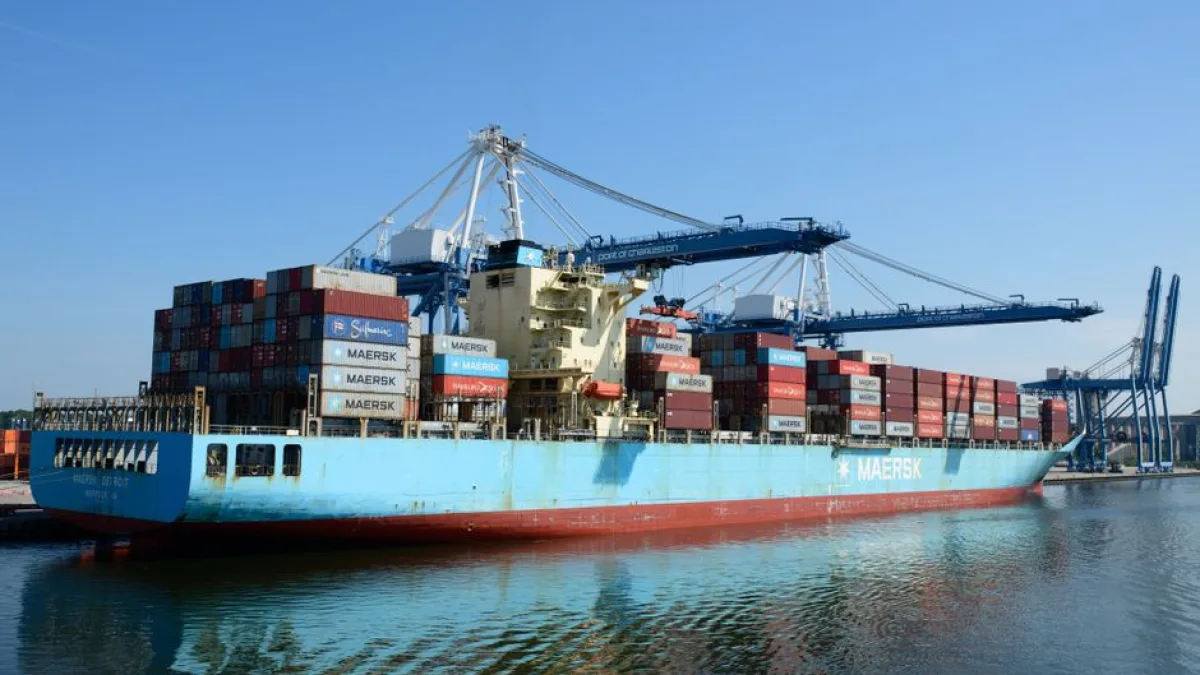
Implementing a customer portal is a critical step toward digital transformation in the freight forwarding industry. By prioritizing transparency, centralization, and efficiency, your business can significantly improve the client experience while reducing manual overhead. Take the leap today to modernize your operations and provide the digital tools your partners deserve. A smarter, more connected future for your logistics firm starts with a better customer portal.