Why a Customer Portal is Essential for Modern Freight Forwarders
Thursday, October 29 2026

In an era where speed and transparency define success, freight forwarders must prioritize digital transformation to remain competitive. Clients now demand instant access to shipment data, accurate tracking, and seamless document management from their logistics partners. Relying on manual updates or email chains is no longer sustainable for a scaling business. By implementing a dedicated customer portal, forwarders can provide self-service tools that enhance operational efficiency while simultaneously building trust. This transition not only reduces the administrative burden on your team but also positions your firm as a forward-thinking leader in an increasingly tech-driven global supply chain landscape.
Real Time Shipment Tracking
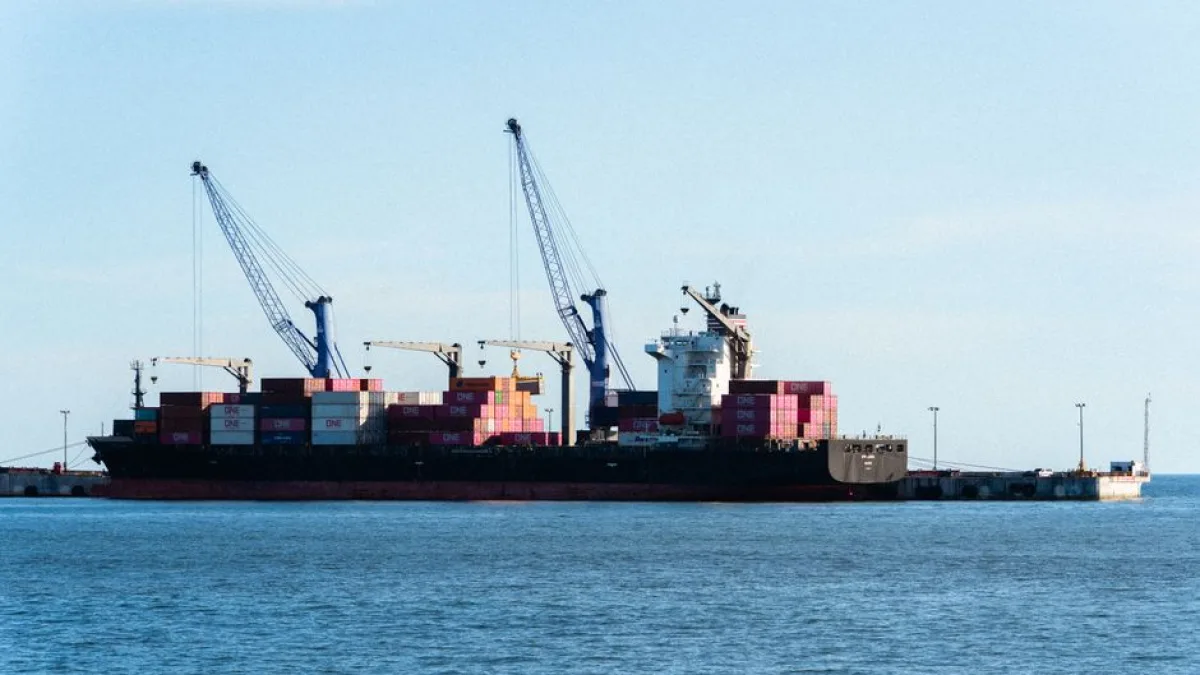
Providing visibility into your supply chain is the cornerstone of modern logistics excellence. When customers can monitor their freight movements at any time, they feel empowered and informed. This transparency effectively minimizes anxiety regarding delays and reduces common service inquiries.
- Live Status Updates: Customers gain access to granular tracking data for every container or parcel in transit, ensuring they have accurate information without contacting your support team directly.
- Proactive Milestone Alerts: Automated notifications keep stakeholders informed about critical shipping stages, reducing the need for constant status checks and allowing for better planning across the global supply.
- Map Visualization Tools: Interactive map interfaces allow users to visualize current transit routes, providing a clear perspective on global movements and expected arrival times for their important cargo.
- Reduced Inquiry Volume: By placing tracking information at the fingertips of your clients, your operational team is freed from answering repetitive status update requests during standard business hours.
Empowering clients with self-service tracking capabilities transforms the relationship between forwarders and their customers. Instead of spending hours sending emails or making phone calls, your staff can focus on high-value logistics strategy. This shift in operational focus builds stronger, more professional partnerships. Ultimately, transparency is a competitive advantage that encourages repeat business and sets your firm apart from those clinging to legacy communication methods.
Streamlined Document Management

Managing global trade documentation requires precision, organization, and secure access. A centralized portal eliminates the chaos of scattered email attachments and misplaced files. By digitizing your paperwork workflow, you ensure that everyone stays aligned throughout the complex logistics lifecycle.
- Centralized Document Repository: All invoices, bills of lading, and customs declarations are stored in one secure location, allowing users to access critical files anytime and anywhere they operate.
- Secure Access Control: Role-based permissions ensure that only authorized personnel can view sensitive financial or legal documentation, maintaining high standards of data security and client privacy protocols.
- Instant File Downloads: Eliminate wait times by allowing clients to retrieve important shipping documents instantly, which accelerates the customs clearance process and improves overall efficiency for everyone involved.
- Version Control Systems: Detailed history logs prevent confusion by tracking every modification made to essential documents, ensuring that all parties refer to the latest and most accurate version.
Efficient document handling is a vital component of any logistics operation. When you move away from manual storage and embrace cloud based portals, you mitigate the risk of lost paperwork and associated delays. This systematic approach saves time and demonstrates a high level of operational maturity. Your clients will appreciate the reliability and professionalism, making your services a preferred choice for future shipments.
Enhanced Communication Channels

Effective communication is the lifeblood of successful freight forwarding operations. A dedicated portal provides a structured environment for conversations, ensuring that messages are never lost in busy email inboxes. This creates a clear audit trail for every single interaction.
- Integrated Messaging Tools: Replace fragmented email threads with a unified messaging interface that connects your team directly with clients for specific shipment inquiries or urgent operational updates.
- Threaded Conversation History: Keep all communication organized by specific shipment numbers, allowing for easy reference whenever complex logistical questions arise during the transit or customs clearance process.
- Automated Task Notifications: Trigger alerts when a client needs to provide additional documentation, ensuring that no request is overlooked and that shipments maintain their required forward momentum.
- Collaborative Feedback Loops: Facilitate two-way communication that enables clients to provide immediate input on services, helping your firm continuously improve based on direct and actionable user feedback.
Standardizing how information flows between your staff and your customers is essential for reducing errors. A portal serves as the single source of truth for all project related discussions. By removing the friction associated with traditional communication, you enhance overall service speed and reliability. This professional approach to interaction fosters long-term loyalty and makes your company much easier to work with daily.
Data Analytics and Reporting

Data is the most valuable asset in modern logistics, and providing your customers with insights is a game changer. A powerful portal delivers customized reports that help clients understand their supply chain performance, spending patterns, and carrier efficiency metrics.
- Customizable Performance Dashboards: Allow clients to build tailored visual reports that highlight key performance indicators, such as transit times and shipping costs, relevant to their specific business needs.
- Historical Trend Analysis: Provide access to long-term data sets that enable clients to identify patterns in their global supply chain, allowing for better strategic planning and optimization.
- Financial Reporting Tools: Enable instant generation of freight spend reports, helping customers reconcile their accounts and plan their logistics budgets with greater accuracy and less manual effort.
- Exportable Data Formats: Ensure that all analytics can be downloaded in common formats like Excel or PDF, allowing clients to integrate your data into their internal systems.
Providing deep analytical insights elevates your role from a simple service provider to a strategic logistics partner. Customers value the ability to quantify performance and identify areas for cost savings. By delivering these insights through your portal, you create significant value that justifies your service costs. This data-driven approach solidifies your position as an indispensable asset to your clients long-term supply chain success.
Conclusion

Adopting a robust customer portal is a critical step for forwarders looking to scale. By centralizing tracking, documentation, communication, and reporting, you create a seamless experience that satisfies modern client demands. This digital transformation reduces manual work, improves service quality, and builds lasting partnerships. Invest in the right software platform today to ensure your freight forwarding business remains efficient, competitive, and ready for future growth.