Why a Customer Portal is Essential for Modern Freight Forwarding
Tuesday, October 20 2026

Modern logistics demands speed and transparency to keep global supply chains moving efficiently. Freight forwarders often struggle with fragmented communication methods like manual email updates and phone calls that drain valuable time. Implementing a dedicated customer portal transforms this relationship by centralizing data access and streamlining information flow. By moving away from outdated manual tracking, forwarders can empower their clients to self-serve, which drastically reduces administrative overhead. Adopting cloud-based software tools like MakeCargo ensures that your operations remain competitive and scalable in an increasingly digitized marketplace where real-time information access has become the industry standard for success.
Enhanced Visibility and Tracking
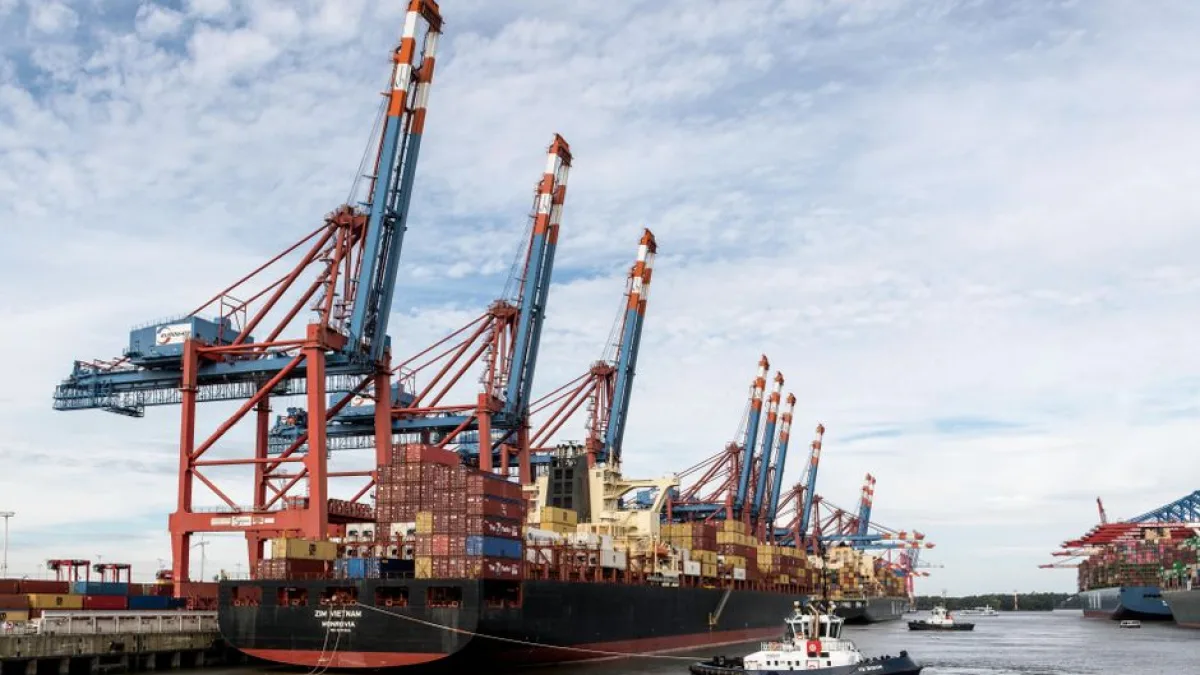
Real-time visibility allows customers to monitor their cargo at every single stage of the transit process. By providing instant access to shipment milestones, forwarders eliminate the constant need for manual status updates, fostering deeper trust through complete and total transparency.
- Real-time status updates: Clients can view the exact location of their shipments across global routes without needing to send an email, saving everyone involved significant amounts of daily operational time.
- Comprehensive shipment history: Keeping all historical shipment data in one centralized portal allows customers to analyze their past logistics performance and make smarter decisions for their future business needs.
- Automated milestone alerts: Custom notifications ensure that stakeholders stay informed about specific cargo movements as they happen, preventing potential bottlenecks and helping them manage their inventory levels much better.
- Integrated map view: Visualizing cargo movement on an interactive map gives clients a clear sense of the journey and arrival times, which adds a professional edge to services.
By offering this level of detailed tracking, forwarders set themselves apart from traditional competitors. Clients appreciate the ability to check their shipment progress at any hour from any device. This self-service approach builds long term loyalty because it puts control back into the hands of the shipper. Ultimately, transparent technology becomes a powerful selling point that attracts new business while retaining your existing customer base.
Document Management Simplified

Managing stacks of shipping documents manually is a primary source of errors and delays. A secure portal centralizes all bills of lading, commercial invoices, and customs documents, ensuring that every necessary file is always accessible and organized for the relevant parties.
- Secure document vault: Every document is stored in a highly encrypted environment that prevents unauthorized access, ensuring that sensitive shipping information remains protected against any potential cyber security threats.
- Instant file retrieval: Users can search for specific documents using filters and keywords, which eliminates the frustration of digging through endless email threads or messy physical file folders.
- Digital signature capabilities: Integrating electronic signatures speeds up the approval processes for critical documents, allowing shipments to clear customs faster without needing to print, sign, or scan files.
- Automated version control: Keeping track of document revisions ensures that all parties are always working from the latest, most accurate versions of files, reducing costly errors in shipping.
Centralized document management is a game changer for efficiency in global trade. It turns a chaotic administrative process into a structured digital workflow that saves countless hours every single week. When documents are available instantly, you reduce the risk of delays at the port of entry. This proactive approach to data management shows clients that your firm handles their business with precision and care.
Improved Communication Channels

Communication should be focused and efficient rather than buried within hundreds of emails. A dedicated portal provides a structured environment where specific questions are linked directly to shipment records, ensuring that no request is ever missed or lost in transit.
- Integrated messaging system: Direct communication tools allow customers to ask questions about specific shipments inside the platform, keeping the conversation contextually relevant for your dedicated operations staff members.
- Streamlined support tickets: Managing client requests through a ticketing system ensures that all inquiries are logged, tracked, and addressed in a timely manner by the right departments.
- Centralized feedback loop: Collecting client feedback directly through the portal helps your team identify areas for improvement and maintain high satisfaction levels across your entire client base.
- Collaborative task management: Sharing specific action items with clients through the interface keeps everyone aligned on pending tasks, which prevents common misunderstandings and avoids project delays entirely.
Effective communication is the foundation of any strong partnership in the logistics industry. By providing a clear channel for interaction, you reduce the noise and clutter that often comes with traditional email exchanges. Your team can focus on solving complex logistical problems instead of spending hours managing basic inquiries. This level of professional communication elevates the customer experience and ensures consistent operational excellence.
Driving Operational Efficiency

Efficiency drives growth in the competitive world of freight forwarding. A customer portal automates many of the manual tasks that previously required human intervention, allowing your staff to focus on high value activities like route optimization and strategic account management tasks.
- Self-service quoting tools: Allowing clients to request or even generate instant quotes reduces the sales cycle duration and helps them secure pricing for their cargo movements much faster.
- Direct booking integration: Customers can finalize their bookings directly through the platform, which minimizes data entry errors and speeds up the transition from planning to active transit.
- Automated invoicing process: Integrating billing features allows clients to view and pay invoices online, which significantly improves your cash flow and reduces the time spent on chasing payments.
- Performance reporting tools: Providing clients with detailed analytics reports allows them to view their own shipping patterns and costs, which adds value beyond simple cargo moving services.
By automating the mundane aspects of logistics, your company gains the ability to handle larger volumes without needing to expand your headcount unnecessarily. A portal acts as an extension of your team, providing 24/7 service without the extra cost. This shift toward digital automation is essential for staying agile in a fast paced market. Focus your resources on growth while your portal manages operations.
Conclusion

Adopting a robust customer portal is the most effective way to modernize your freight forwarding business. By prioritizing transparency, digital document handling, and efficient communication, you build a sustainable foundation for success. MakeCargo provides the tools necessary to bridge the gap between your operations and your clients. Start your digital transformation today to improve service quality, save valuable time, and achieve lasting operational efficiency.