Why a Customer Portal is Essential for Modern Freight Forwarding
Sunday, October 25 2026

In the fast-paced world of logistics, freight forwarders are constantly seeking ways to elevate their service levels while managing operational complexities. Manual updates and scattered email threads no longer suffice in an era where clients demand instant visibility into their supply chains. Implementing a dedicated customer portal represents a strategic shift toward digital transformation, allowing forwarders to centralize communications and data. By providing clients with a secure, 24/7 self-service environment, your firm can drastically reduce administrative friction, minimize manual data entry, and establish a reputation for technological innovation that differentiates your brand in a crowded, hyper-competitive global marketplace.
Streamlining Global Communication Channels

Effective communication is the cornerstone of successful logistics management. By moving interactions away from disjointed email chains into a unified portal, you ensure that vital information stays organized and accessible for both your team and your clients at all times.
- Centralized message history: Store all relevant shipment discussions and documents within a single interface to eliminate the risk of lost emails or critical information being trapped in personal inboxes.
- Automated notification triggers: Keep your clients informed through real-time alerts that trigger based on shipment milestones, significantly reducing the volume of status inquiry requests reaching your operations team.
- Direct file sharing: Enable your customers to upload or download necessary shipping documentation such as invoices and packing lists instantly without waiting for manual email attachments to arrive.
- Collaborative task management: Assign specific actions or approvals to clients directly through the portal to ensure that every stakeholder understands their role in the shipment lifecycle process.
Adopting a centralized communication hub allows your team to spend less time managing repetitive status updates and more time focusing on high-value logistics strategy. When customers feel empowered to retrieve information on their own schedule, your client retention rates often climb as a direct result of improved transparency. This streamlined approach fosters professional trust and positions your company as a modern, reliable logistics partner.
Real Time Shipment Visibility Solutions
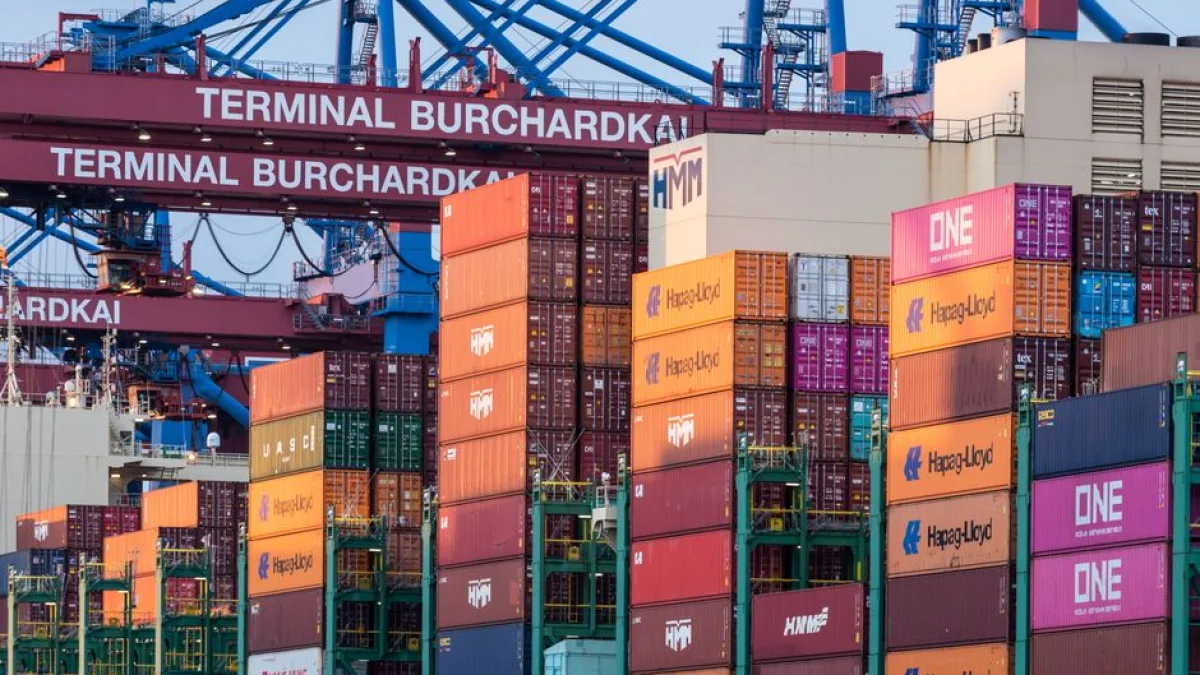
Transparency is a critical value proposition for modern logistics providers. Providing clients with live tracking capabilities allows them to monitor their cargo journey with precision, fostering confidence and reducing the need for constant status check-ins during business hours.
- Live tracking dashboard: Offer customers an interactive map view of their shipments, providing instant insight into vessel location and estimated time of arrival for every active container.
- Status update automation: Synchronize your platform with live carrier data to push accurate milestones to the portal, ensuring that your clients receive verified updates without human intervention.
- Exception management tools: Highlight potential delays or port congestion issues immediately within the interface so that clients can proactively adjust their supply chain plans based on real data.
- Detailed event logs: Provide a comprehensive audit trail of every stage of the transit process, giving your customers the historical data needed for internal reporting and analysis.
Giving customers full visibility into their cargo movements transforms the perception of your brand from a service provider to a technical partner. Clients value the ability to self-serve, and providing them with accurate data reduces anxiety regarding shipping delays. As your visibility capabilities grow, you create a scalable environment where your clients can scale their own operations alongside your freight forwarding business effectively.
Secure Document Management and Storage

Logistics involves an immense volume of paperwork ranging from commercial invoices to customs declarations. A secure customer portal simplifies document handling by ensuring that sensitive files are stored safely, indexed logically, and made available to authorized parties around the globe.
- Cloud based storage: Replace physical filing cabinets and local hard drives with a secure cloud archive that allows authorized users to retrieve past documents from any location.
- Granular permission controls: Define which specific individuals or departments can view sensitive financial and shipping documents to maintain strict data privacy and regulatory compliance across companies.
- Version control tracking: Maintain clarity by ensuring that only the latest version of a document is visible, preventing errors that stem from outdated or incorrect paperwork usage.
- Digital signature integration: Accelerate your document workflow by allowing clients to sign and approve forms directly within the portal, removing the need for printing, scanning, and mailing.
Transitioning to a digital document management system significantly reduces the time your team spends searching for misplaced files. By maintaining a clean, accessible library of all shipping records, you protect your business against data loss while providing customers with a convenient archive for their own compliance needs. This organized approach to documentation builds long-term security and professional efficiency for your firm.
Data Analytics for Informed Decisions

Access to historical shipping data is a goldmine for companies looking to optimize their supply chains. A professional customer portal gives your clients the tools to analyze their freight spending, lane performance, and overall logistics trends to drive better business outcomes.
- Freight spend reports: Visualize total shipping costs and invoice history through dynamic charts that help clients monitor their logistics budgets and track their long-term expenditure patterns effectively.
- Lane performance analysis: Identify your most and least efficient shipping routes by comparing transit times and reliability metrics generated from your portal's historical cargo tracking database.
- Customizable data exports: Allow your customers to pull raw data into spreadsheet formats for further analysis, supporting their internal reporting requirements without extra work from your team.
- Predictive trend reporting: Provide insights into seasonal shipping variations or recurring bottlenecks so your clients can plan their inventory strategies with more accuracy and foresight than before.
Empowering your clients with data analytics turns your portal into a indispensable business tool rather than a simple status tracker. When customers can visualize their logistics performance, they become more loyal to your services because you are actively contributing to their operational success. Use these insights to engage in high-level reviews that strengthen your partnership and drive mutual growth for your business.
Conclusion

Investing in a customer portal is the most effective way to modernize your freight forwarding services and satisfy the needs of today's tech-savvy clients. By centralizing communication, providing transparent tracking, and offering valuable data insights, your firm will achieve greater operational efficiency and improved customer retention. Embrace this digital transformation today to stay ahead of the competition and deliver a seamless experience to every shipper.