Why a Modern Customer Portal is Essential for Freight Forwarders
Sunday, July 26 2026

In the fast-paced world of logistics, freight forwarders face increasing pressure to provide instant visibility and seamless communication to their clients. Relying on manual email updates and phone calls is no longer sustainable as digital expectations continue to rise across the global supply chain. By implementing a cloud-based customer portal, logistics providers can centralize documentation, automate status updates, and empower clients with self-service tools. This digital transformation not only improves operational efficiency but also builds lasting trust by offering the transparency that modern shippers demand for their complex international shipping operations.
Real-Time Shipment Tracking

Advanced tracking tools provide shippers with live updates regarding their freight location and status. By removing the need for manual inquiries, these platforms ensure that stakeholders have constant access to critical data points throughout the entire shipment lifecycle.
- Live Status Updates: Customers gain immediate visibility into shipment milestones, reducing the volume of status-check emails and allowing your team to focus on resolving actual logistical challenges instead.
- Proactive Milestone Alerts: Automated notifications inform clients the moment a shipment departs or arrives, keeping all parties aligned without requiring manual input from your busy operations staff.
- Interactive Map Views: Visual tracking interfaces allow users to see exactly where their cargo is located, creating a sense of confidence and control that improves the user experience.
- Exception Management Tools: When delays occur, the portal allows users to see the impact instantly, fostering better communication and collaborative problem solving during unforeseen supply chain disruptions.
Providing real-time tracking is no longer an optional perk but a core requirement for competitive freight forwarders. When clients can access live data at any hour, your firm demonstrates professional reliability and technological competence. This transparency reduces the administrative burden on your staff, allowing your organization to scale operations effectively while maintaining high standards of service for every single client account.
Document Management Automation
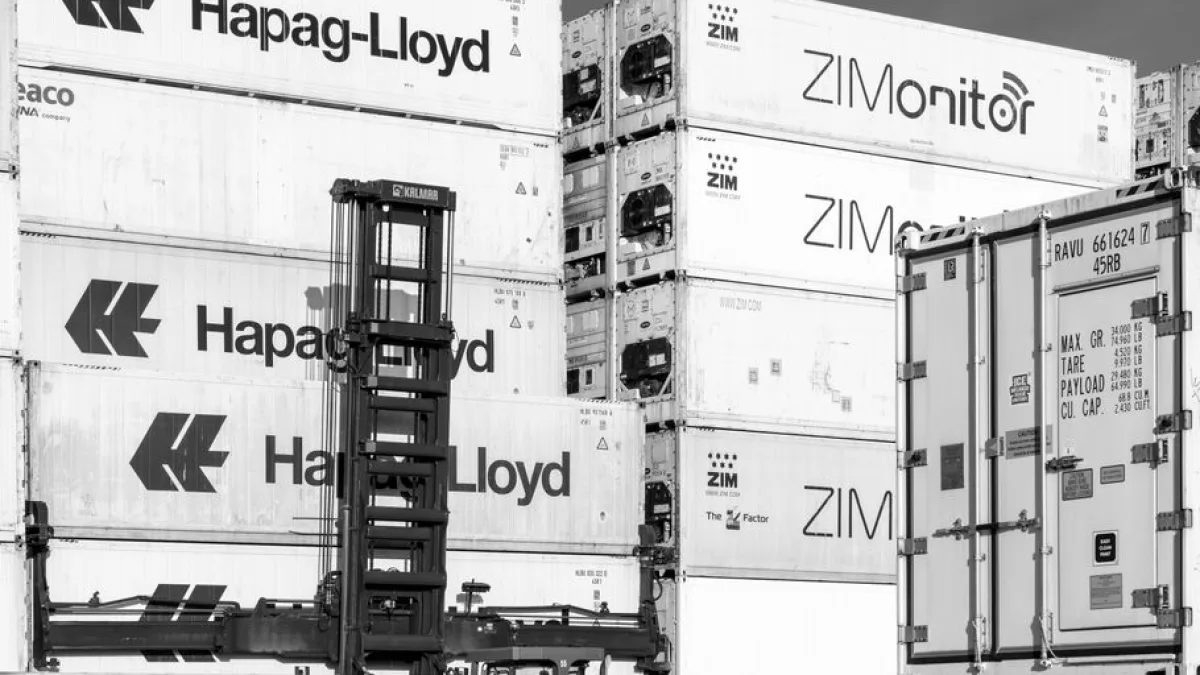
Digital document repositories allow for the instant retrieval and sharing of bills of lading, invoices, and customs declarations. By digitizing paperwork, forwarders save significant time and reduce the likelihood of errors associated with traditional manual record keeping and filing.
- Centralized Storage Hub: All shipping documents are consolidated in one secure location, making it easy for customers and staff to find exactly what they need within seconds.
- Instant File Access: Clients can download essential shipping papers anytime, ensuring that their internal teams have the information required for customs clearance and inventory planning processes.
- Secure Upload Portals: Customers can easily upload their own supporting documentation directly into the platform, ensuring all necessary files are attached to the specific project without email.
- Version Control Systems: Advanced software ensures that only the latest version of a document is displayed, preventing confusion and costly mistakes caused by outdated shipping paperwork.
Streamlining document management transforms how your logistics team handles day-to-day paperwork. By moving away from cluttered email threads, you create a professional environment that emphasizes accuracy and security. Clients appreciate the ease of retrieving their records on demand, which strengthens their loyalty to your freight forwarding brand. This efficient digital workflow ultimately accelerates the speed of your global shipping operations.
Streamlined Client Communication

A dedicated portal creates a structured environment for all shipping inquiries and messages. By moving conversations out of personal email inboxes, teams can ensure that communication is tracked, prioritized, and answered promptly by the correct department members.
- Integrated Messaging Channels: All discussions related to a specific shipment are stored directly within the project record, keeping the entire conversation history transparent for every authorized user.
- Unified Communication Hub: By centralizing messages, you ensure that no query goes unanswered, as managers can monitor response times and quality across all active client shipping requests.
- Notification Center Access: Users receive clear notifications when new messages or updates arrive, ensuring that both parties stay informed about important changes to their scheduled logistics.
- Role Based Permissions: Administrators can control who sees which messages, maintaining data privacy while ensuring that the right stakeholders have access to the information they need immediately.
Efficient communication is the cornerstone of great service in the logistics industry. When your portal functions as the primary hub for interaction, your clients feel supported and connected to your team. This structure minimizes misunderstandings and ensures that every question receives a professional response. Over time, this consistency in your communication strategy will distinguish your freight forwarding services from your competition.
Data Analytics and Reporting

Business intelligence tools empower clients to analyze their shipping history and performance metrics with ease. These insights allow your customers to make data-driven decisions that improve their own supply chain efficiency, adding significant value to your partnership.
- Customizable Performance Reports: Users can generate visual reports detailing their shipping volume, carrier performance, and total transit times to evaluate overall logistics efficiency and identify optimization opportunities.
- Financial Overview Dashboards: Clients gain instant access to their financial summaries, including outstanding invoices and shipping costs, which helps them better manage their own logistics budget.
- Predictive Trend Analysis: Advanced analytics software highlights seasonal patterns and recurring transit delays, enabling shippers to plan ahead and avoid common bottlenecks in their future supply chains.
- Data Export Capabilities: Users can easily export data to formats like Excel or PDF, facilitating deeper analysis within their own internal business planning and reporting software.
Offering analytical insights turns a standard service provider into a strategic partner. When you give clients the data they need to improve their supply chain, you become indispensable to their long-term growth and success. By utilizing a powerful customer portal, you provide this competitive edge effortlessly, ensuring that your firm remains the preferred choice for forward-thinking shippers in the global market.
Conclusion

Investing in a cloud-based customer portal is a critical step for forwarders who want to lead the market. By enhancing visibility, automating documentation, and providing actionable analytics, you deliver a superior user experience that builds lasting relationships. Embrace modern technology today to simplify your complex freight operations and provide the transparency that your clients deserve. Start your digital transformation with MakeCargo right now.