Why a Modern Customer Portal is Essential for Freight Forwarding
Friday, August 14 2026

In the fast-paced world of logistics, client expectations have shifted toward immediate transparency and digital convenience. Freight forwarders often struggle with fragmented communication chains that lead to delays and dissatisfaction. By implementing a dedicated customer portal, your firm can move away from manual status updates and email clutter. This digital bridge empowers your clients with real-time tracking, document access, and self-service capabilities. Modern freight forwarding requires a robust technological foundation to maintain a competitive advantage. Adopting a cloud-based portal is no longer a luxury but a strategic necessity for firms aiming to scale operations while delivering exceptional service to every shipper.
Enhancing Client Communication Efficiency

Effective communication serves as the backbone of every successful logistics partnership. By centralizing all correspondence within a secure portal, you eliminate the constant back-and-forth emails, ensuring that both parties access the same critical information at any given moment during transit.
- Instant Status Updates: Provide your clients with automated real-time notifications regarding their cargo status, reducing the need for manual inquiries and allowing your team to focus on high-value tasks.
- Centralized Document Storage: Organize all bills of lading, customs paperwork, and commercial invoices in a single accessible repository, ensuring that documentation is always audit-ready and easy to retrieve.
- Secure Messaging Channels: Utilize built-in communication tools to discuss shipment details directly within the platform, keeping internal records clean and protecting sensitive data from external email security threats.
- Reduced Admin Workload: Automate routine check-ins and repetitive administrative duties through self-service features, which ultimately saves your team hours of manual labor per week for every active shipment.
Transitioning to an automated communication flow significantly improves your operational agility. Clients appreciate the ability to view shipment milestones without waiting for human intervention. This proactive approach builds lasting trust and demonstrates your professional commitment to modern standards. As your logistics volumes grow, having a reliable system for managing interactions prevents bottlenecks and ensures that your customer support remains top-tier and highly responsive.
Optimizing Real-Time Shipment Tracking
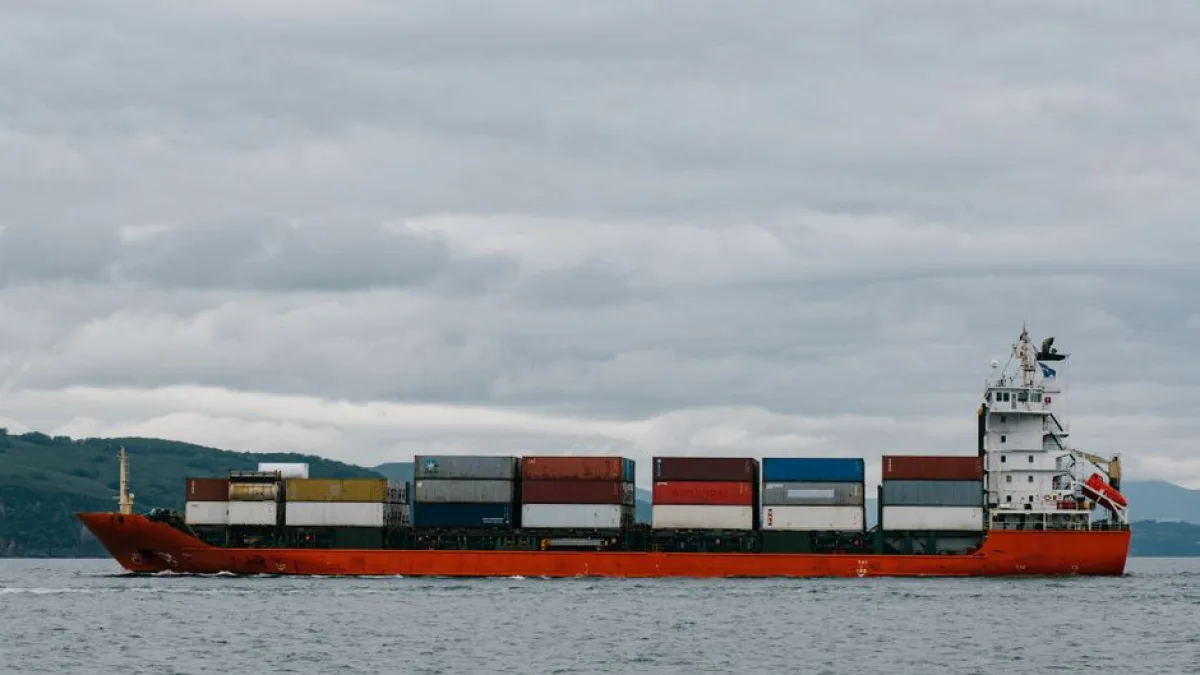
Visibility remains the most critical demand from modern shippers who need to plan their supply chains with absolute precision. A robust portal provides interactive maps and live tracking data, giving customers the comfort of knowing their freight status instantly.
- Interactive Tracking Maps: Enable clients to visualize the exact geographic location of their goods, which helps them anticipate arrivals and adjust their internal logistics schedules accordingly for efficiency.
- Milestone Event Alerts: Configure automated alerts for specific events such as container discharge or customs clearance, providing peace of mind through constant updates on the progress of cargo.
- Predictive Arrival Estimates: Integrate live data feeds to show accurate estimated times of arrival, helping your clients manage their warehouse labor planning and inland distribution schedules with high confidence.
- Multi-Modal Visibility: Support visibility across ocean, air, and road freight within a single interface, providing a unified view of complex supply chain movements for your most demanding customers.
Providing deep visibility into shipment progress acts as a powerful retention tool. When shippers can access tracking data on their own time, their reliance on your customer service agents decreases. This independence creates a seamless experience that highlights your technical sophistication. Furthermore, transparent tracking data helps identify transit delays early, allowing your team to provide proactive solutions before the client even realizes a problem exists.
Streamlining Documentation and Compliance

Managing complex international documentation often results in administrative errors and compliance risks. A structured portal digitizes the entire lifecycle of shipping documents, from initial creation to final archival, ensuring accuracy and full compliance with global trade regulations.
- Digital Signature Capabilities: Facilitate faster document processing by allowing clients to sign shipping documents electronically within the portal, drastically reducing the turnaround time for essential legal paperwork and approvals.
- Customs Compliance Tools: Maintain a library of standardized forms and compliance templates, ensuring that every submission is accurate and meets the specific requirements of various customs authorities worldwide.
- Easy Document Retrieval: Allow clients to download past shipment documents or archived records instantly, eliminating the frustration of digging through endless email threads or physical filing cabinets for information.
- Access Permission Control: Define specific user roles and permission settings to ensure that sensitive documents are only visible to authorized personnel, maintaining security and data integrity across platforms.
Digital document management removes the human error factor often associated with manual filing. By keeping every piece of paperwork in a structured cloud environment, you ensure that your firm remains audit-compliant at all times. This digital organization allows for faster billing cycles and clearer communication regarding customs status. Ultimately, efficient documentation flows mean faster shipments and satisfied clients who value your consistent and professional accuracy.
Driving Growth Through Digital Differentiation

Technological differentiation is the most effective way to stand out in the crowded freight forwarding market. Offering a sleek, branded portal signals to prospective clients that your company is future-ready and capable of handling their complex shipping needs with ease.
- Brand Customization Options: Apply your unique company branding to the portal interface, providing a consistent brand experience that reinforces your professionalism and strengthens your identity as a premium forwarder.
- Scalable Cloud Infrastructure: Grow your business without worrying about technical limitations, as the cloud-based system expands alongside your shipment volume and adds new features to support your evolution.
- Data-Driven Insights: Provide clients with analytical dashboards that show shipping history and cost trends, helping them make smarter supply chain decisions based on their own historical logistics data.
- Competitive Market Edge: Differentiate your service offerings from traditional forwarders who rely on manual systems, positioning your business as a high-tech partner capable of supporting modern enterprise requirements.
A customer portal is more than just a functional tool because it serves as your primary digital marketing asset. Prospective shippers want to work with forwarders who provide visibility and convenience. By offering these capabilities, you transform your service from a commodity into a high-value partnership. This technological commitment secures your place in the future of the logistics industry while keeping your operational costs manageable.
Conclusion

Investing in a modern customer portal is a critical step toward future-proofing your freight forwarding operations. By improving transparency, automating manual documentation, and providing self-service tools, you can significantly enhance client satisfaction and operational efficiency. The digital shift in logistics is accelerating, and the platforms you adopt today will define your success tomorrow. Partnering with a reliable cloud provider ensures your business thrives in this competitive environment.