Why a Modern Customer Portal is Essential for Freight Forwarding
Tuesday, September 1 2026
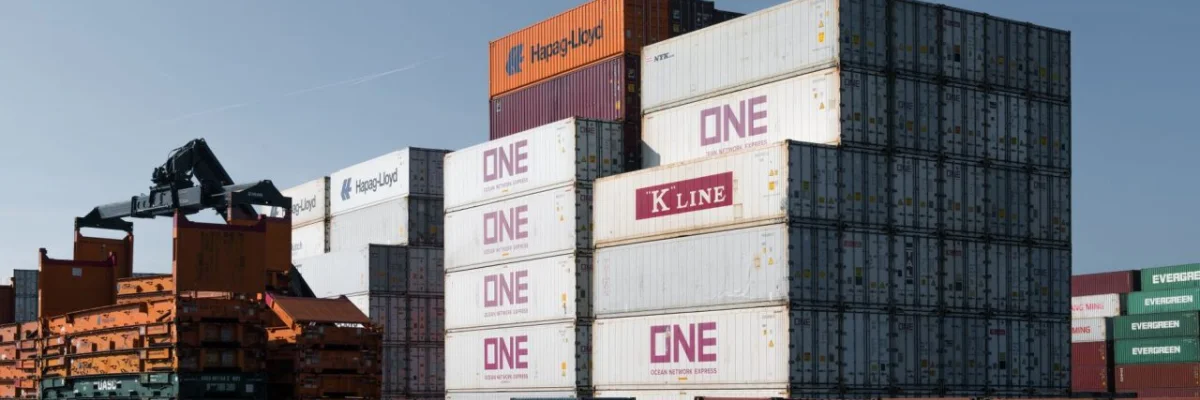
In the fast-paced world of logistics, efficiency is the primary currency that separates industry leaders from struggling operators. Freight forwarders today face immense pressure to provide real-time updates and seamless communication to clients who demand instant visibility. Manual processes like back-and-forth emails and spreadsheet tracking are no longer sufficient to maintain competitive advantage in a global market. Adopting a professional customer portal transforms your operations by centralizing data, reducing administrative burdens, and empowering clients with self-service capabilities. By digitizing the customer experience, your firm can foster stronger long-term relationships while scaling operations effectively to meet the evolving demands of modern global trade.
Streamlining Global Shipment Tracking

Real-time visibility represents the cornerstone of client satisfaction in modern logistics. A robust portal allows your customers to monitor their active shipments without needing to contact your operations team, significantly reducing the volume of status-related inquiries and freeing up your staff.
- Automated status updates: Clients receive instant notifications as cargo moves through key milestones, eliminating the need for manual status reports and reducing time spent on routine customer support inquiries.
- Centralized shipment dashboard: A unified interface displays all active, completed, and pending shipments in one location, giving your customers the full context of their global logistics footprint at once.
- Integrated map tracking: Visual tracking tools show vessel or vehicle locations on a map, providing clarity that static text updates often fail to deliver for complex multi-modal supply chains.
- Historical data access: Clients can review past shipments and performance metrics with a few clicks, enabling them to make data-driven decisions based on their long-term shipping history and patterns.
By providing immediate access to critical tracking information, you eliminate the uncertainty that often plagues international shipping processes. This transparency builds high levels of trust with your client base, positioning your company as a reliable partner. As customers gain control over their own data, your team can pivot toward high-value tasks, ultimately improving overall service quality and driving growth for your freight forwarding business.
Centralizing Documentation and Compliance
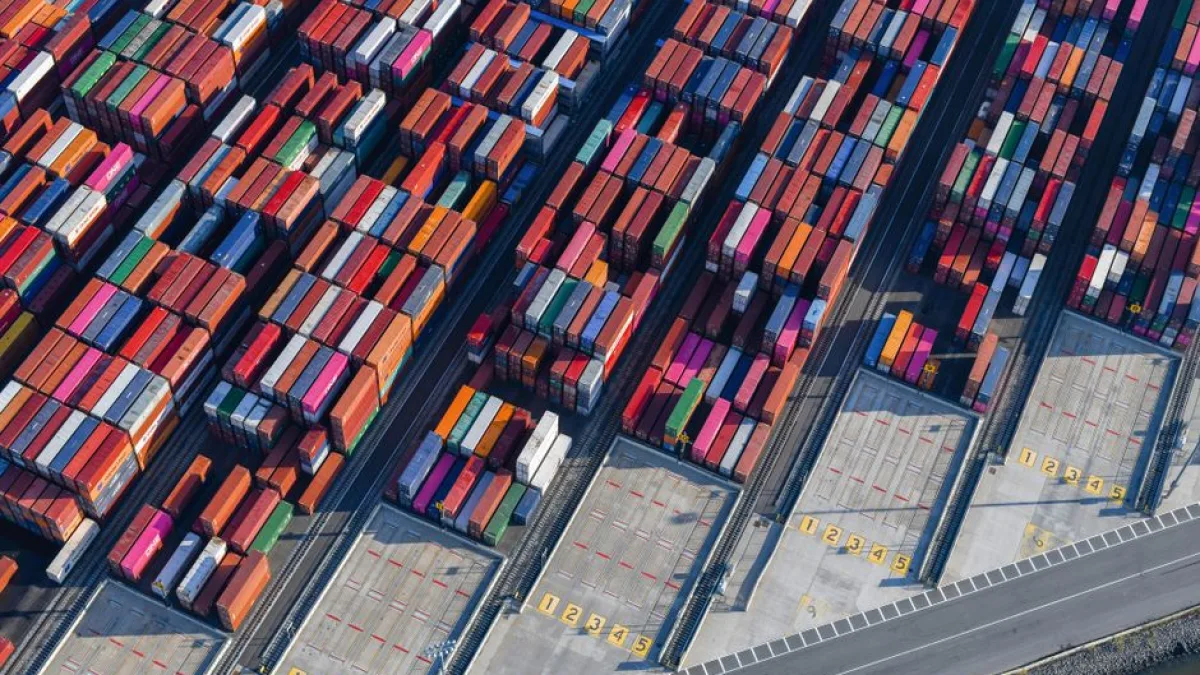
Managing complex documentation requires precision and accessibility. A customer portal serves as a secure digital vault where invoices, packing lists, and customs declarations are stored, ensuring that your clients can retrieve essential paperwork whenever they need it for their operations.
- Secure document repository: All shipping documents are stored in a centralized location with strict access controls, ensuring that only authorized personnel can view sensitive commercial and legal files.
- Instant document downloads: Customers can download invoices, bills of lading, and clearance papers immediately, bypassing the traditional delays caused by searching through archived email threads and file folders.
- Digital signature integration: Built-in tools allow clients to sign and approve documents directly within the portal, accelerating the turnaround time for critical paperwork during the export clearance process.
- Compliance tracking tools: Specialized features help clients monitor their adherence to international trade regulations, reducing the risk of costly errors or delays during the complex customs clearance process.
Maintaining a digital library for your clients simplifies the audit process and ensures that every stakeholder remains on the same page. By reducing the reliance on email attachments and manual filing, you lower the risk of losing important paperwork during transit. This organized approach reflects professionalism and keeps your operations compliant, helping your business maintain a strong reputation within the competitive global logistics sector.
Enhancing Communication and Collaboration

Clear communication is the lifeblood of successful freight forwarding operations. A dedicated portal provides a structured channel for interaction, ensuring that project-specific questions and updates are kept in a single, accessible thread rather than scattered across various email platforms.
- In-app messaging system: Direct communication tools allow your team and your clients to discuss specific shipments in a secure environment, keeping all conversation logs organized and easily searchable later.
- Role based access: Customize the level of information visible to each client user, ensuring that operational staff and executive managers see exactly what they need for their roles.
- Priority notifications: Alerts keep stakeholders informed about urgent changes or unexpected delays, allowing for faster problem solving before minor logistical issues turn into major disruptions for the supply chain.
- Collaboration workflow tools: Shared workspaces allow both your team and your clients to coordinate actions, such as finalizing shipping schedules or managing special handling requirements for sensitive cargo items.
Stronger collaboration leads to fewer misunderstandings and faster resolution of logistical challenges that naturally occur in international trade. By moving the conversation into a dedicated platform, you ensure that every team member has the context needed to provide accurate support. This professional method of engagement fosters loyalty and turns your standard shipping service into a premium partnership that clients are happy to maintain.
Scaling Efficiency Through Digital Integration

Scaling your freight forwarding business requires tools that grow with you. A cloud-based portal integrates directly with your core operations software, ensuring that data flows seamlessly between your internal management systems and the customer-facing interface, preventing errors and manual input fatigue.
- Seamless system integration: Modern portals sync with your existing transportation management software, ensuring that shipment status and financial data are always updated automatically without any extra manual work.
- Customized client reporting: Generate professional performance reports for your clients automatically, highlighting key metrics like cost savings and transit times to demonstrate the true value of your service.
- Unified billing management: Integrated invoice views allow clients to track their financial commitments and payment history, creating a transparent relationship that simplifies your accounting and collections process significantly.
- Mobile accessibility features: Responsive designs ensure that your clients can access their logistics data from any device, allowing them to manage their global shipments while they are on the move.
Investing in an integrated digital platform allows your company to handle a higher volume of shipments without increasing your administrative headcount. The automation provided by these systems ensures that your operations remain efficient as you scale your business. When you provide a consistent, high-quality digital experience, you attract larger clients who prioritize technology, ultimately setting your firm apart as a modern leader in logistics.
Conclusion

Adopting a robust customer portal is no longer a luxury but a fundamental requirement for modern freight forwarders. By centralizing tracking, documentation, communication, and financial data, you create a seamless experience that satisfies even the most demanding global shippers. Start your digital transformation today to boost efficiency, enhance client satisfaction, and secure your place as a leader in the competitive and rapidly changing logistics industry.