Why a Modern Customer Portal is Essential for Freight Forwarding
Saturday, September 5 2026

In the fast-paced logistics industry, the ability to provide instant visibility is the hallmark of a top-tier freight forwarder. Customers no longer accept manual updates or delayed responses when they need information about their shipments. By deploying a dedicated customer portal, forwarders can empower their clients with self-service tools that streamline operations and enhance satisfaction. This digital transformation reduces the administrative burden on your staff while establishing your company as a tech-forward partner. Transitioning to a centralized platform ensures that critical data is always accessible, fostering transparency and trust that keeps your clients loyal in a competitive global market.
Real-time Shipment Tracking
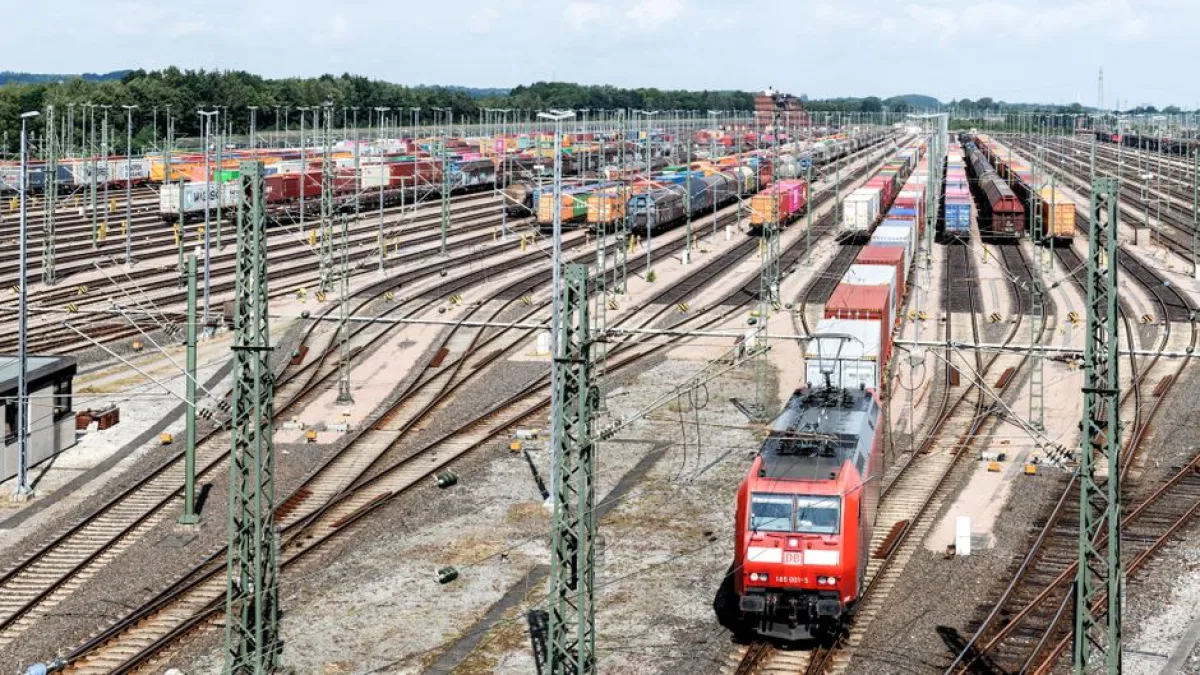
Visualizing shipment data through a live tracking dashboard provides clients with the clarity they need to manage their supply chains effectively. This interface serves as the primary touchpoint for updates on vessel movements, cargo location, and estimated delivery dates during transit.
- Instant Status Updates: Clients can monitor the movement of their cargo across international borders without needing to call your team for manual status checks or email inquiries during business hours.
- Automated Milestone Alerts: The system triggers notifications when shipments reach specific stages, ensuring that stakeholders stay informed about potential delays or successful arrivals without requiring any manual data entry efforts.
- Visual Mapping Tools: Interactive maps allow users to see the current location of their freight globally, providing a clear overview of transit routes and potential bottlenecks in the supply.
- Historical Data Logs: Users can review the entire transit history of previous shipments, making it easier to analyze performance metrics and plan future logistics strategies with complete, accurate information.
Empowering your clients with real-time tracking transforms their user experience from reactive to proactive. When customers can see exactly where their goods are at any moment, the volume of inbound status requests drops significantly. This efficiency allows your operations team to focus on resolving complex logistics challenges rather than answering repetitive administrative questions. Digital visibility is the foundation of a modern, professional customer relationship strategy.
Centralized Document Management

Effective document management ensures that every bill of lading, commercial invoice, and customs declaration is organized and accessible. Providing a secure repository prevents the common issue of lost paperwork and speeds up the clearance process for all shipments.
- Secure Document Uploads: Clients can directly upload necessary shipping documentation into the portal, ensuring that all paperwork is stored in a single location for audit and compliance purposes throughout.
- Instant Retrieval Access: Digital copies of essential shipping documents are indexed and searchable, allowing your clients to find specific files in seconds instead of searching through endless email threads.
- Controlled User Permissions: You maintain full control over who views specific sensitive documents, which helps your team protect proprietary shipping data while maintaining transparency with the correct authorized stakeholders.
- Version Control History: The portal tracks every revision made to shipping documents, providing a clear audit trail that prevents errors and ensures that everyone is using the latest information.
Centralizing your document workflows eliminates the chaos of disjointed communication channels. By providing a single point of truth for all shipping paperwork, you reduce the risk of compliance errors that lead to costly detention and demurrage fees. This organized approach reflects professionalism and gives your clients confidence that their business is being handled by a systematic, capable, and detail-oriented logistics partner.
Integrated Financial Transparency

Financial clarity is essential for maintaining strong business relationships in the logistics sector. A transparent portal allows customers to view invoices, track payment status, and reconcile accounts in real time to avoid any confusion regarding freight charges or fees.
- Unified Billing Dashboard: Customers can view all outstanding and paid invoices in one location, making it much easier for their accounting departments to manage cash flow and payments.
- Easy Payment Options: Integrated payment gateways allow clients to settle their accounts directly through the portal, significantly reducing the time spent on manual processing and standard wire transfers.
- Detailed Fee Breakdown: Every invoice includes a granular breakdown of charges, which builds trust by eliminating hidden costs and making the entire pricing structure transparent for the client.
- Automated Payment Reminders: The system sends gentle notifications for upcoming due dates, which helps your finance team maintain a healthy cash flow without needing to chase down late invoices.
Streamlining financial processes through your portal minimizes the administrative friction that often complicates freight services. When billing is transparent and accessible, disputes decrease and the relationship between forwarder and client becomes more focused on long-term partnership rather than transactional issues. This professional interface simplifies account management for your clients, effectively removing barriers to payment and ensuring your firm remains a preferred logistics partner.
Collaborative Communication Tools

Direct communication features within the portal bridge the gap between forwarders and clients. These tools ensure that all inquiries are tracked, recorded, and resolved promptly, creating a professional environment where no message is left unread or lost in inbox folders.
- Direct Messaging Threads: Clients can initiate conversations linked to specific shipments, ensuring that all relevant context is available for your team to provide fast and accurate technical support.
- Internal Task Assignment: When a client raises a question, the platform automatically routes the request to the correct department, ensuring that the right expert handles each individual logistics issue.
- Feedback Submission Portals: Gathering client feedback is simple when customers can rate their experience directly after shipment delivery, providing you with actionable insights to improve your overall service delivery.
- Support Ticket Tracking: Every inquiry is converted into a ticket, allowing you to monitor response times and ensure that your customer service standards are met for every client account.
Effective communication is the glue that holds global logistics operations together. By moving conversations into a structured portal, you eliminate the risks associated with scattered email communications and lost notes. This dedicated space for dialogue proves that you value your clients time and input, which is vital for building long-term retention. Make your support process as efficient as your freight movement today.
Conclusion

Adopting a customer portal is no longer optional for freight forwarders who want to scale their business. By centralizing tracking, documentation, and payments, you provide a seamless experience that differentiates your service from competitors. Start leveraging these digital tools today to improve operational efficiency and deepen your client relationships. Your investment in a modern portal will yield significant returns through increased loyalty and reduced administrative overhead.