Why a Professional Customer Portal is Critical for Freight Forwarders
Sunday, September 27 2026
In the modern logistics landscape, freight forwarding is no longer just about moving physical goods from one destination to another. Clients now demand instant access to shipment data, proactive status updates, and a seamless digital interface that mirrors their personal shopping experiences. By implementing a dedicated customer portal, forwarders can transition from being manual service providers to strategic partners. This digital shift not only improves operational efficiency but also builds lasting client trust by providing full visibility into every stage of the supply chain. Today, we explore how digitizing your client communications can revolutionize your business performance and service quality.
Centralized Document Management

Managing documents via email chains leads to errors and lost files. A portal creates a single source of truth for commercial invoices, packing lists, and bills of lading. Accessing these files instantly reduces administrative burden and eliminates common communication delays.
- Automated file sharing: Clients retrieve shipping documents directly from the portal without waiting for email attachments, which significantly reduces the manual workload for your customer support staff every single day.
- Secure document storage: Your firm ensures that sensitive shipping data is protected by robust encryption methods while remaining easily accessible to authorized users for their own auditing purposes.
- Version control tracking: The system automatically tracks every update made to a document, providing a clear history that prevents confusion over outdated paperwork or previous revisions for shipments.
- Searchable document archives: Users can quickly locate past documents using advanced filtering tools based on shipment numbers, dates, or specific cargo types for efficient record keeping and reporting.
- Direct client uploads: Customers can easily upload their own shipping instructions or necessary paperwork directly into the portal, ensuring that all data remains organized within one platform.
By moving away from scattered email attachments, your team regains valuable hours previously spent searching through folders. This structured approach ensures that critical documents are always available when needed, preventing costly delays during customs clearance. Clients appreciate the professional nature of a dedicated repository, which reinforces your status as a reliable and organized leader in the complex global freight forwarding industry.
Real Time Shipment Tracking
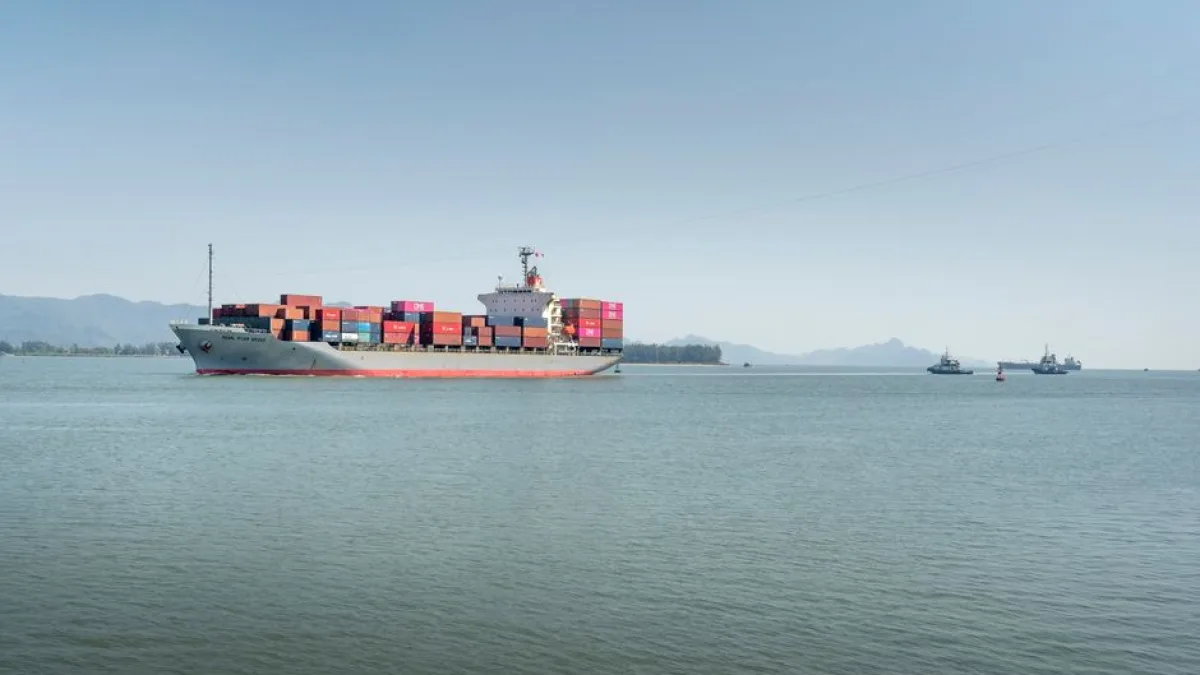
Visibility is the top priority for shippers today. A customer portal offers real time status updates that replace the need for constant manual status checks and email inquiries about cargo location or potential transit delays.
- Live tracking updates: Clients view precise geographic data for their containers in real time, reducing anxiety and phone calls regarding where their cargo is during international transit.
- Customized event alerts: The system triggers automatic notifications for significant milestones like port arrivals or customs clearance, keeping stakeholders informed without requiring any manual intervention by staff.
- Visual tracking maps: An interactive map interface provides a clear graphical representation of the vessel route, allowing clients to see the progress of their shipments at a glance.
- Delay status visibility: When unexpected issues occur, the portal displays clear information about the delay, which allows clients to adjust their supply chain planning with accurate data.
- Milestone transparency: Every stage of the logistics process is documented clearly, ensuring that clients understand exactly which party holds responsibility for the goods at any moment.
Providing instant visibility turns a point of frustration into a competitive advantage. When clients have the power to track their own goods, they experience greater control over their supply chain operations. This transparency reduces the volume of repetitive status requests, allowing your logistics team to focus on high-value tasks and proactive problem solving rather than simple information retrieval for customers.
Streamlined Communication Channels

Communication breakdowns remain a common issue in freight forwarding. A customer portal centralizes all conversations into one interface, ensuring that no message is overlooked and that every update is logged for future reference by the entire team.
- Contextual chat features: Clients communicate with your team directly within the portal, ensuring that all queries are linked to the specific shipment for faster resolution and accuracy.
- Threaded message history: Every conversation is stored systematically so that team members can review previous discussions, which prevents redundant explanations or information gaps during handovers or shifts.
- Internal alert routing: Notifications are sent automatically to the correct department when a client sends a message, ensuring that the right expert responds to the inquiry quickly.
- Status update logs: The system keeps a permanent record of all updates sent to clients, which serves as a valuable audit trail for resolving any potential service disputes.
- Professional branding tools: Customize the messaging interface with your company logo and colors to create a branded communication environment that aligns with your professional corporate identity.
Effective communication builds strong business relationships. By using a portal, you ensure that every interaction is professional, documented, and easy to manage. This approach eliminates the risk of important messages getting lost in a busy inbox, thereby increasing the overall satisfaction of your clients. Providing a clear communication loop demonstrates that your firm prioritizes transparency and efficiency in all aspects of service.
Actionable Logistics Reporting

Data is the backbone of modern supply chain optimization. Portals provide clients with detailed analytical reports that help them evaluate carrier performance, transit times, and total costs, enabling them to make smarter decisions for their business.
- Performance analytics dashboard: Clients access visual charts that display key performance metrics such as average transit times or carrier consistency over specific routes and long time periods.
- Cost breakdown summaries: Transparent views of all freight charges and incidental fees allow clients to better manage their logistics budgets without needing to request manual spreadsheets daily.
- Exportable data files: Users can download shipment data in common formats like Excel for deeper analysis or integration into their own internal management and accounting systems.
- Volume trend reporting: The portal identifies patterns in shipping volumes, helping your clients forecast their future logistical needs based on historical data patterns and actual market activity.
- Custom report generation: Allow clients to generate their own periodic reports based on the specific metrics that matter most to their unique supply chain and business goals.
Empowering your clients with data makes your service indispensable. When you provide the tools they need to optimize their own operations, you move beyond the role of a simple vendor to become a trusted logistics consultant. This value added service strengthens long term loyalty and differentiates your brand from competitors who still rely on manual reporting and static data sharing methods.",
Conclusion

Adopting a customer portal is essential for freight forwarders looking to modernize their operations and meet the high expectations of current global shippers. By centralizing documentation, providing live visibility, improving communication, and offering actionable data, you create a superior experience for your clients. Investing in this technology today ensures your firm remains competitive, efficient, and ready to scale in an increasingly digital and fast-paced global logistics marketplace.