Why a Professional Customer Portal is Essential for Freight Forwarders
Wednesday, August 26 2026
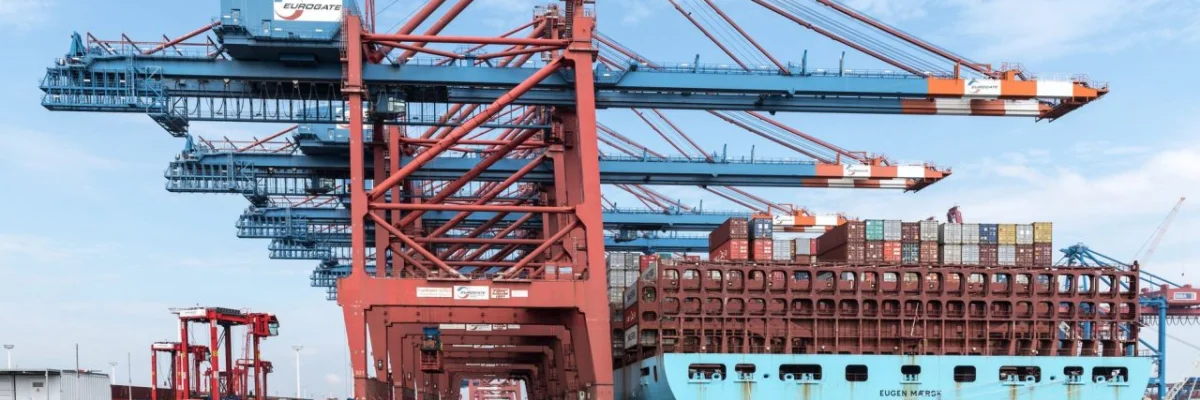
In the modern logistics landscape, the demand for instant visibility and self-service capabilities has transformed how freight forwarders interact with their clients. Gone are the days when manual status updates and endless email chains sufficed for global supply chain management. Today, freight forwarders must leverage sophisticated digital infrastructure to remain competitive and improve retention rates. A dedicated customer portal serves as the primary gateway for stakeholders to access shipment data, documentation, and real-time tracking information from any device. By centralizing operations, logistics providers can reduce administrative friction, increase operational transparency, and ultimately build stronger, more reliable partnerships with their global client base.
Boosting Operational Efficiency

Implementing a centralized platform removes the need for fragmented communication channels. By providing clients with a direct interface to manage their logistics lifecycle, your team can focus on solving complex exceptions rather than repeating basic data entry tasks for every inquiry.
- Automated status updates: Clients receive instant notifications on shipment milestones, which significantly reduces the volume of repetitive status check emails directed at your operational support staff daily.
- Centralized document management: Store all invoices, bills of lading, and customs paperwork in a single secure location that clients can access whenever they need urgent documentation copies.
- Self-service booking tools: Empower your customers to initiate new freight bookings directly through the platform, ensuring all necessary shipping details are captured accurately before the process begins.
- Instant rate quoting: Provide transparent pricing models that allow clients to compare different shipping modes and routes, enabling faster decision making without back-and-forth manual quote requests.
By automating these recurring tasks, forwarders gain significant time to focus on growth strategies rather than administrative maintenance. When your customers manage their basic requests through a self-service portal, your internal team experiences less stress and higher morale. This transition to a digital environment ensures that every shipment process is standardized and transparent, which helps you scale your operations effectively while maintaining high quality service standards.
Enhancing Customer Transparency

Transparency acts as the cornerstone of trust in the freight industry. Providing clients with live tracking capabilities transforms their experience from one of uncertainty to total confidence, effectively reducing the friction associated with moving complex goods across international borders.
- Live GPS tracking: Offer real-time geolocation monitoring of containers to keep clients informed about current transit progress throughout every stage of the international multimodal shipping route.
- Customizable reporting dashboards: Provide visual analytics that help your clients track their annual spend, transit time averages, and overall supply chain performance metrics through interactive data charts.
- Exception management alerts: Notify clients immediately if any potential delays or custom hurdles occur, allowing them to adjust their inventory planning before problems escalate into major issues.
- Secure audit trails: Maintain a clear record of every modification made to a shipment file, ensuring that all parties have visibility into the history of interactions.
Providing deep visibility into the movement of cargo keeps your clients satisfied and informed throughout the entire shipment lifecycle. When users can monitor their shipments independently, they trust your logistics services more deeply. This level of clarity acts as a competitive advantage that distinguishes your company from others still relying on manual spreadsheets and outdated methods for managing complex global freight movements.
Streamlining Document Exchange

Physical paperwork often creates significant bottlenecks in logistics workflows. Transitioning to a digital document environment through a portal allows for secure, instant transfers of vital shipping files, ensuring compliance and speed across your entire supply chain management network.
- Secure file storage: Protect sensitive customer data using encrypted cloud solutions, ensuring that only authorized personnel have access to private commercial invoices and delicate customs declarations.
- Version control systems: Eliminate confusion by ensuring that both forwarders and clients are always viewing the most recent version of shipping documents for every active cargo load.
- Electronic signature integration: Speed up the approval process by allowing clients to sign documents directly within the portal, reducing the reliance on scanners, printers, and courier services.
- Searchable document archives: Utilize powerful indexing features to locate specific shipping records from months ago within seconds, simplifying future audits and internal review processes for your team.
Digital document management drastically reduces the risk of human error and lost paperwork during busy shipping seasons. By migrating from email attachments to a unified portal, you ensure that every document remains indexed and accessible. This reliability helps your clients feel secure, as they know their essential information is organized, protected, and available for retrieval whenever they need to audit their past shipping activities.
Scaling Your Logistics Business
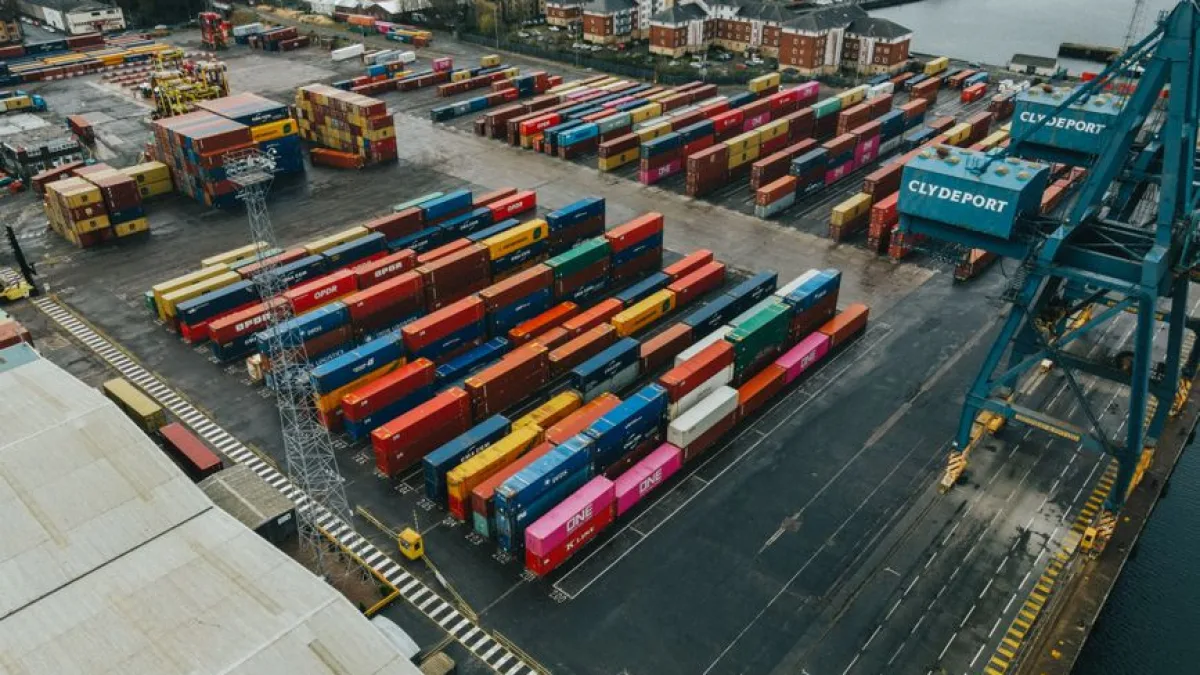
Scalability is vital for any growing freight forwarding enterprise. A robust customer portal provides the modular infrastructure needed to handle increased shipment volumes without requiring a massive proportional increase in administrative headcount or internal operational support staffing.
- Automated onboarding workflows: Enable new clients to set up their accounts and provide necessary shipping preferences independently, which shortens the time required to start moving their first shipments.
- Custom branding options: Present a professional appearance to your customers by integrating your company logo and specific branding colors directly into the user interface of the platform.
- Multilingual support features: Reach a wider international market by utilizing a portal that supports multiple languages, catering to global clients and agents across different geographic regions.
- API integration capabilities: Connect your portal with existing accounting or ERP software to ensure seamless data flow across your entire company ecosystem without any manual work.
As your company adds more clients and moves more freight, the efficiency gained through a portal allows you to scale sustainably. You can manage higher transaction counts while maintaining the personalized service your clients expect from a premium forwarder. This digital foundation enables you to remain agile in a changing market, keeping your overhead costs low while significantly increasing your total business processing capacity.
Conclusion
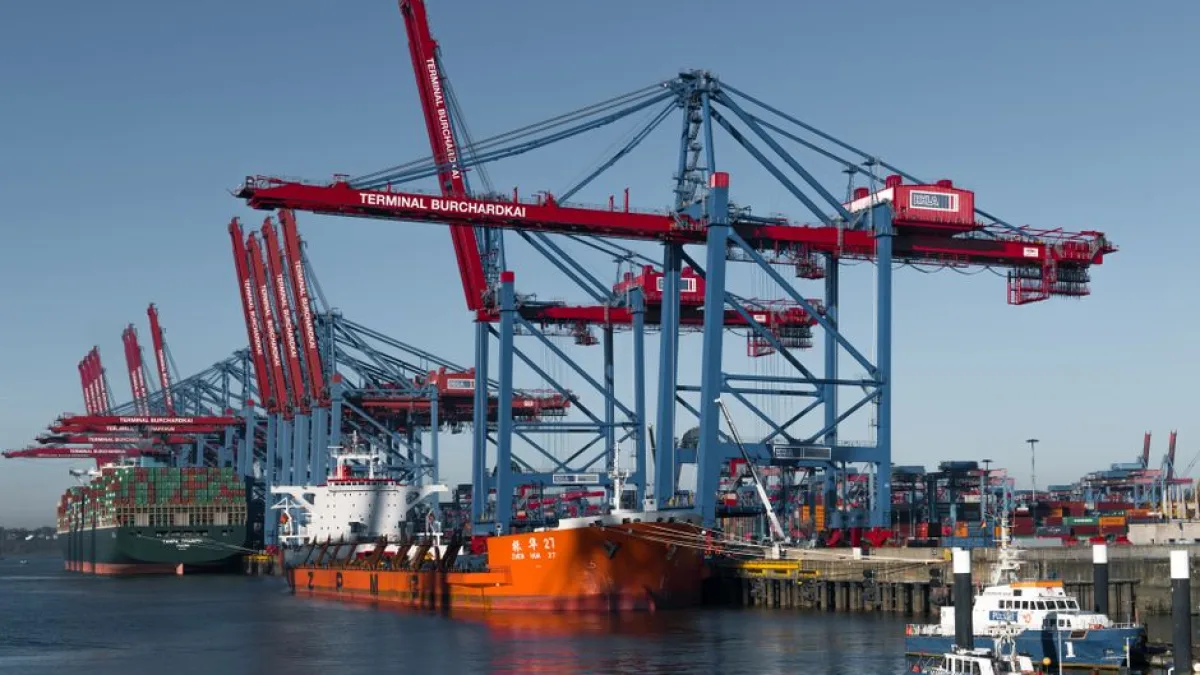
Adopting a modern customer portal is no longer just an optional improvement but a requirement for forwarders aiming to stay competitive. By digitizing communication, document storage, and tracking, you build a sustainable foundation for long-term growth and client loyalty. Start evaluating your current software capabilities today and discover how a dedicated portal can transform your freight operations into a truly seamless and professional experience.