Revolutionizing Logistics: Why Your Freight Forwarding Business Needs a Customer Portal
Monday, October 5 2026
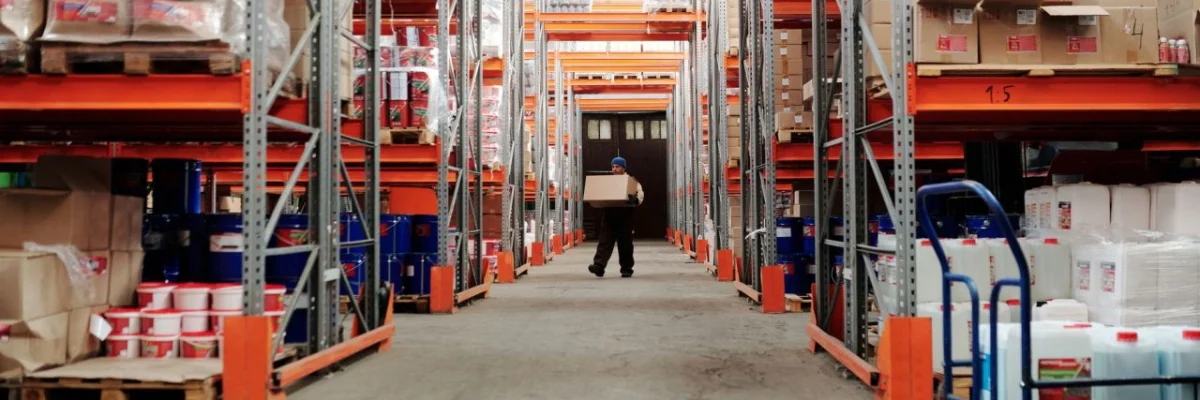
In the fast-paced world of logistics, manual updates and endless email chains are becoming relics of the past. Freight forwarders are increasingly adopting digital transformation strategies to maintain a competitive edge. A dedicated customer portal serves as the heart of this transformation, providing clients with immediate access to shipment data, documentation, and real-time status updates. By centralizing operations, forwarders can enhance transparency and foster long-term loyalty with their shippers. Adopting this technology is no longer just a luxury for the modern logistics firm; it is a fundamental requirement for scaling operations and improving overall service delivery efficiency in a global market.
Boosting Operational Transparency

Visualizing data through a unified interface allows your clients to monitor their supply chain health with precision. This clarity reduces the volume of repetitive status requests, allowing your team to focus on high-value tasks rather than manual reporting processes.
- Real-time shipment visibility: Provide your customers with instant access to their cargo locations and statuses, reducing the need for constant email updates and improving overall communication speed significantly.
- Automated status notifications: Configure your portal to trigger automatic alerts for milestones, ensuring that your clients are informed immediately whenever there is a critical update regarding their shipments.
- Historical data tracking: Maintain a clean and accessible record of every past transaction, enabling your clients to review their shipment history and performance metrics with just a few clicks.
- Detailed event logging: Every movement is recorded chronologically, creating a transparent audit trail that builds trust and helps resolve any potential disputes regarding delivery timelines or status.
By offering a bird's-eye view of all logistics activity, you position your brand as a professional and reliable partner. Clients feel more secure knowing they have direct access to their information at any hour of the day. This sense of control leads to increased satisfaction and helps you differentiate your freight forwarding services from traditional competitors who still rely on fragmented, manual communication methods.
Streamlining Document Management
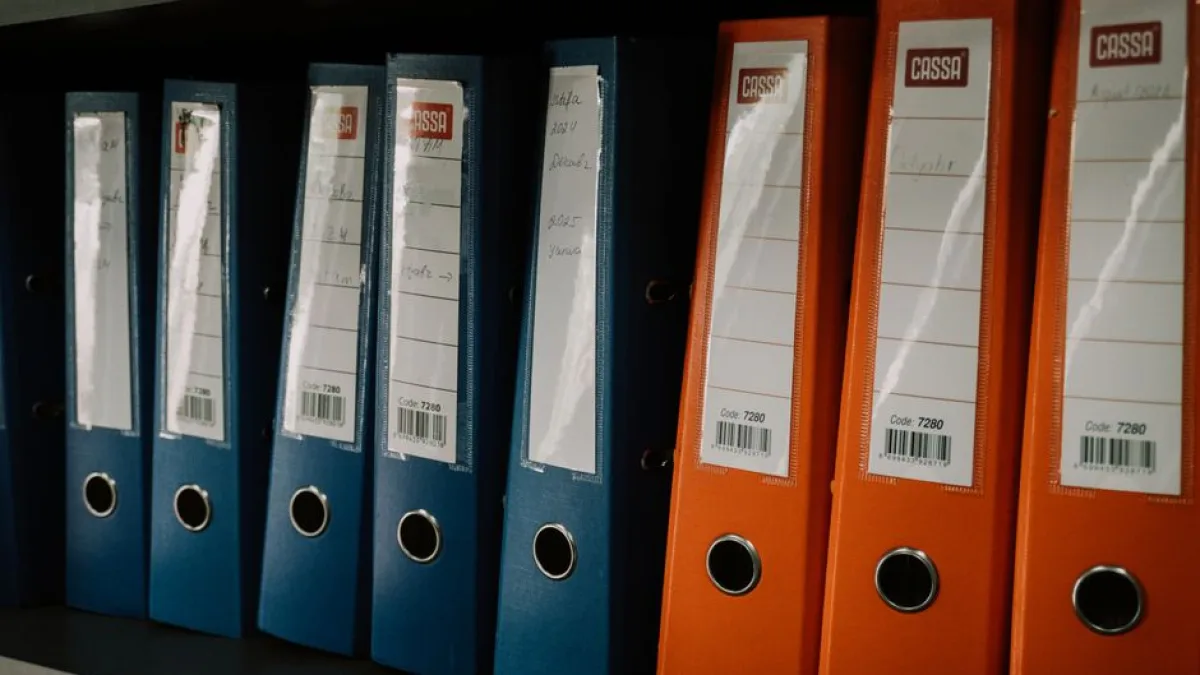
Centralized document hubs eliminate the common headache of lost files and fragmented communication. By moving away from email attachments, you ensure that everyone works with the most recent versions of commercial invoices, packing lists, and essential customs documents.
- Cloud storage access: Keep all important shipping files in one secure location, making them instantly available to authorized users without the need for searching through historical email threads.
- Version control features: Ensure that every team member and customer uses the latest version of critical documents, preventing errors caused by outdated information or mismanaged file naming conventions.
- Secure document upload: Enable clients to upload necessary paperwork directly to the portal, ensuring that all submissions are linked to specific shipment files for organized record keeping.
- Custom permissions management: Control exactly who can view, edit, or download sensitive files, ensuring that your data security remains intact while granting access to the necessary stakeholders only.
Efficient document handling is a major contributor to reduced processing times and lower operational costs. When customers can retrieve their own PODs or tax forms, your administrative staff saves hours of work every single week. This self-service model empowers your clients and cleans up your internal workflows, turning chaotic filing cabinets into a streamlined, high-speed digital asset for your business.
Enhancing Customer Communication

Effective communication is the cornerstone of any successful partnership. A portal acts as a dedicated hub where conversations are tracked alongside shipment data, ensuring that context is never lost and every inquiry receives a prompt, organized response.
- Unified communication channels: Direct all inquiries to a specific shipment thread, ensuring that your team has all necessary context before responding to any client questions or complex issues.
- Integrated chat support: Implement live communication tools within the portal to foster faster interactions, allowing your team to address immediate concerns without leaving the platform environment.
- Collaborative feedback loops: Create a space for clients to leave feedback on your services, which helps you identify areas for improvement and maintain high satisfaction levels consistently.
- Priority ticket tracking: Allow clients to raise support tickets for specific issues, ensuring that no request is overlooked and that internal teams prioritize urgent cargo matters effectively.
Moving communication away from individual inboxes into a shared platform creates a culture of accountability. Your team will never miss a customer request, and clients will appreciate the structured approach to problem-solving. This level of interaction transforms your customer service from reactive to proactive, ensuring that your logistics business remains the preferred choice for shippers who value professional and transparent communication flows.
Scaling Through Automation
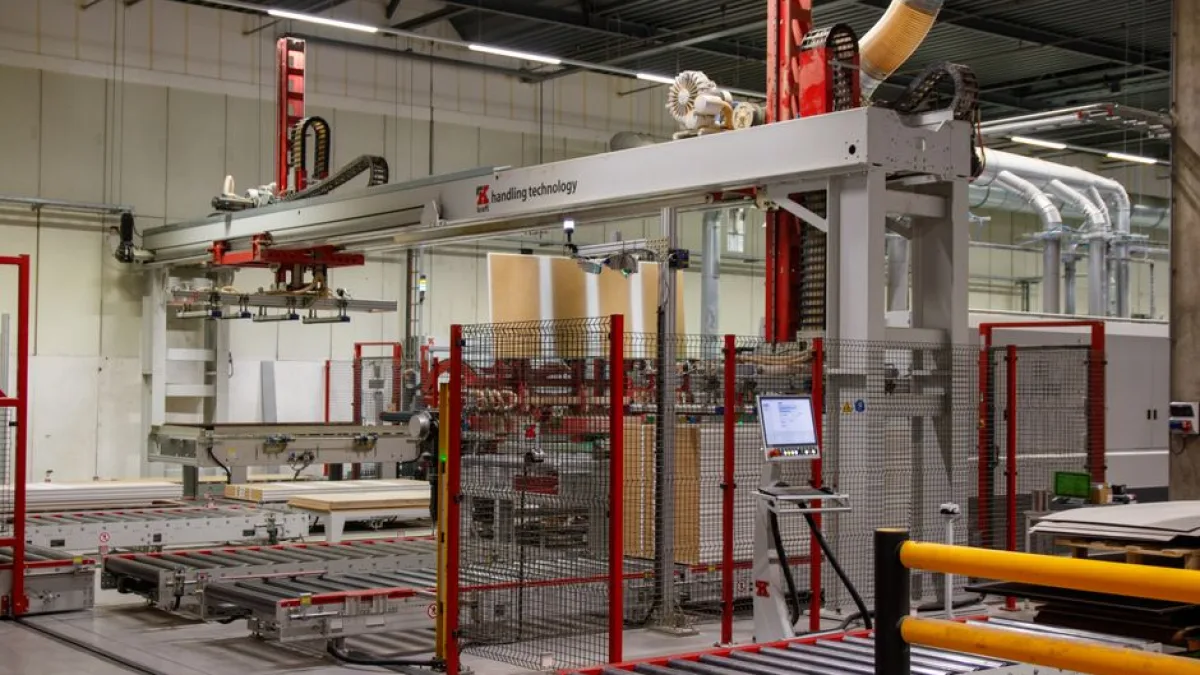
Scalability relies on your ability to handle more volume without increasing your overhead costs. Portals allow you to automate standard processes, such as quoting and booking, which lets your business scale efficiently without hiring large numbers of manual staff.
- Instant quote generation: Let your clients generate their own shipping quotes based on your pre-set rates, speeding up the sales cycle and reducing manual work for your team.
- Self-service online booking: Allow customers to submit their bookings directly through the platform, ensuring that all details are captured accurately before your operations team ever touches them.
- Automated billing cycles: Sync your portal with accounting software to provide clients with real-time access to their invoices, leading to faster payment processing and improved cash flow.
- Scalable user roles: Add as many clients or team members as needed, allowing the platform to grow alongside your business without requiring constant technical upgrades or maintenance.
Automation is the secret weapon for growing a freight forwarding company in the modern digital age. By allowing clients to interact with your portal for routine tasks, you free up your experts to focus on complex logistical challenges and strategic growth. This transition to a portal-based business model ensures that your operations remain efficient and profitable, regardless of how many new shipments you process monthly.
Conclusion

Implementing a customer portal is the most effective way to modernize your freight forwarding operations and improve client satisfaction. By focusing on transparency, document organization, communication, and automation, you create a robust platform that drives long-term success. Evaluate your current digital capabilities today and start building a better experience for your shippers. Contact MakeCargo to learn how our software simplifies your journey toward logistics excellence.