Revolutionizing Logistics: Why Freight Forwarders Need Cloud-Based Integrations
Tuesday, August 18 2026

The global logistics landscape is undergoing a massive transformation as traditional paper-based processes give way to high-speed digital infrastructure. For freight forwarders, the ability to maintain visibility across complex supply chains is no longer a luxury but a fundamental necessity for survival. By leveraging modern cloud platforms, companies can automate tedious administrative tasks, synchronize data between international partners, and provide real-time updates to stakeholders. This technological shift allows forwarders to move beyond simple shipping coordination, positioning them as essential strategic partners capable of handling the increasing complexities of international trade while drastically reducing operational errors and costs.
Seamless Connectivity for Global Logistics

Seamless connectivity acts as the nervous system of modern logistics by ensuring that every stakeholder accesses identical data points simultaneously. This digital integration eliminates the siloes that traditionally cause shipping delays and miscommunication between carriers, warehouses, and the end customer.
- Automated Data Synchronization: Cloud systems automatically update information across all connected modules to ensure that documentation remains consistent without the need for repetitive manual data entry by office staff.
- Universal API Access: Software platforms provide standardized gateways that connect your existing warehouse tools with external carrier systems to create a unified and efficient digital workspace.
- Real-time Communication Channels: Integrated messaging modules allow logistics teams to share urgent updates with global partners immediately, reducing the downtime associated with traditional email threads or phone calls.
- Improved Data Accuracy: Centralized digital databases minimize human error during the booking process, ensuring that critical shipment details remain consistent across every piece of generated shipping documentation.
Adopting a unified cloud infrastructure changes how forwarders handle daily operational pressure. By removing the need for manual record updates, your team can focus on high-value tasks that drive revenue rather than getting stuck in administrative loops. This transition ensures that your entire organization operates from a single source of truth, ultimately leading to faster decision-making processes and higher customer satisfaction levels across the board.
Maximizing Visibility Through Real-time Tracking
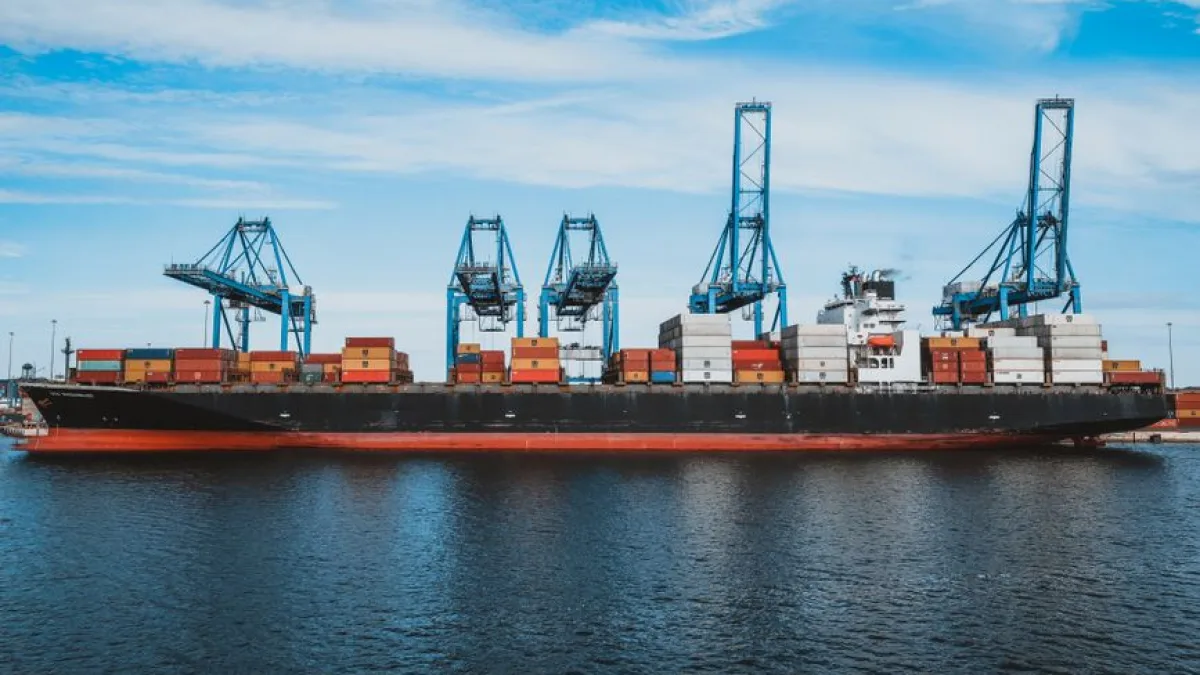
Real-time visibility allows freight forwarders to anticipate disruptions before they impact the final delivery schedule. Modern tracking solutions provide deep transparency into ocean, air, and ground transport phases to keep clients informed about their inventory status at every stage.
- Instant Status Updates: Customers receive automated notifications regarding the location of their cargo, which significantly reduces the volume of manual tracking inquiries sent to your customer support team.
- Proactive Exception Management: Advanced systems identify potential delays caused by weather or port congestion, allowing staff to implement contingency plans before a minor issue becomes a crisis.
- End-to-End Transparency: You gain granular insights into every leg of the journey, ensuring that your clients have total peace of mind regarding their high-value international shipments.
- Automated Proof Delivery: Electronic documents capture digital signatures or time stamps immediately upon arrival, creating an audit trail that simplifies billing and reduces future liability concerns.
Total transparency is the new standard in logistics excellence for modern businesses. When you utilize advanced tracking tools, you empower your clients with immediate clarity regarding their goods. This shift from reactive tracking to proactive management builds long-term trust with every shipper you serve. Investing in these visibility tools creates a distinct competitive advantage that keeps your operations lean and your customers happy.
Optimizing Costs and Resource Management

Effective resource management requires precise cost tracking and data analysis capabilities that legacy spreadsheets simply cannot provide. Cloud software offers the deep financial reporting necessary to identify hidden inefficiencies and optimize your operational budget for maximum long-term growth.
- Detailed Profit Analytics: Gain instant visibility into the profitability of specific trade lanes or clients to help your leadership team make informed decisions regarding future business growth.
- Automated Invoice Processing: Systems automatically match shipping costs against carrier rates to identify billing discrepancies early, which helps you avoid overpayment on complex international freight invoices.
- Resource Allocation Tools: Managers can monitor employee workload levels in real-time, ensuring that staff are assigned to the right tasks for maximum productivity during peak seasons.
- Reduced Overhead Costs: Eliminating physical paperwork storage and reducing manual data entry tasks lowers your monthly operational expenses while increasing the speed of your financial closing.
Optimized logistics is fundamentally about managing your resources with precision and speed. When you transition to digital financial monitoring, you gain the agility required to pivot when market conditions change. This data-driven approach allows you to cut unnecessary expenditures while scaling your services to meet client demand. Improving your financial oversight today ensures long-term profitability and sustainable growth in competitive markets.
Scalability Through Cloud Architecture

Scalable cloud architecture ensures that your freight forwarding platform grows alongside your business requirements without needing expensive hardware upgrades. This flexible design allows you to add users or new functionality as your network expands to cover more global regions.
- Cloud-based Flexibility: You can access your entire shipping database from any remote location globally, allowing for flexible work arrangements and enhanced business continuity during unexpected disruptions.
- Rapid System Updates: New features and security patches are pushed to your account automatically, ensuring your platform is always running the latest version without manual maintenance.
- Unlimited Data Storage: Secure cloud environments provide virtually unlimited space for your essential logistics records, allowing you to scale your historical database without performance lag issues.
- Modular Software Expansion: Start with basic modules and add advanced functionality, such as automated customs declarations or insurance modules, as your specific business needs continue to evolve.
Choosing a scalable software solution is a strategic investment in the longevity of your forwarding agency. By utilizing a flexible cloud environment, you ensure that technical limitations never hold back your growth. You can adapt to changing market conditions with ease, ensuring your firm stays ahead of the competition. Leverage this agility to build a future-proof foundation for your global logistics operations.
Conclusion
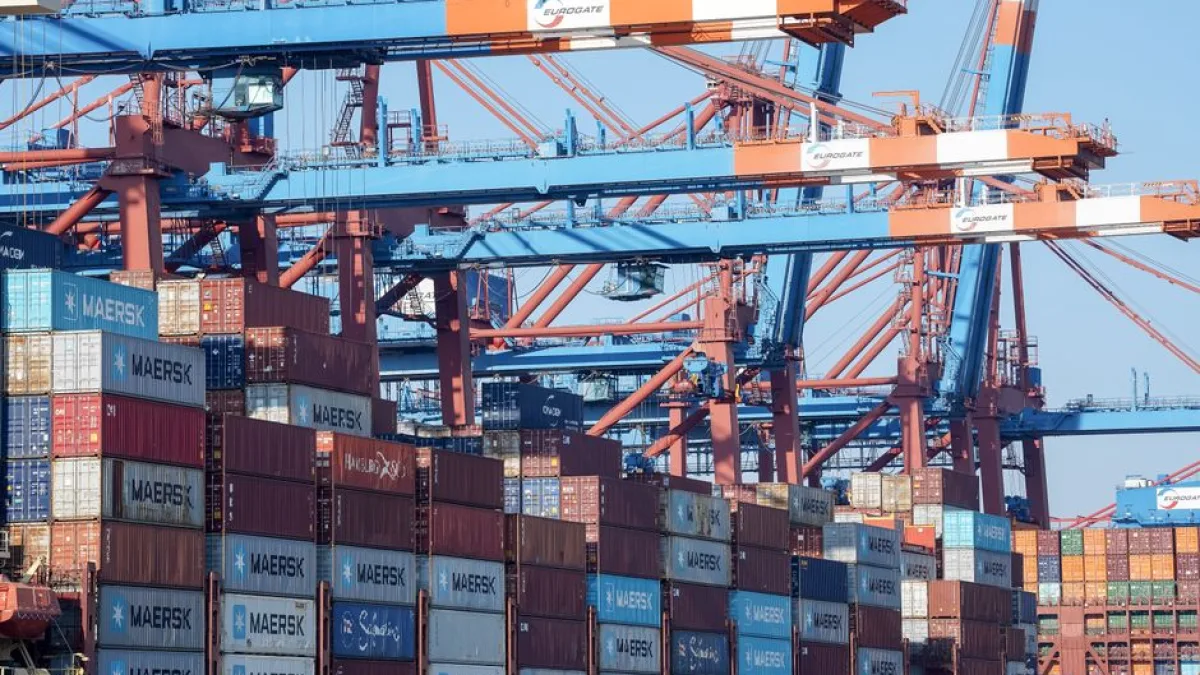
Cloud integration remains the most effective strategy for freight forwarders aiming to modernize their service offerings. By prioritizing digital connectivity, real-time visibility, cost optimization, and scalable architecture, you position your agency for long-term success. Now is the perfect time to evaluate your current software stack and embrace the cloud. Contact our team at MakeCargo today to learn how our platform streamlines global freight management.