Revolutionizing Logistics: Why Your Freight Forwarding Business Needs a Customer Portal
Tuesday, August 11 2026

Modern logistics demands speed and transparency to keep global supply chains moving effectively. Freight forwarders often struggle with manual data entry and fragmented communication channels that frustrate clients and slow down operations. Implementing a dedicated customer portal transforms how you manage interactions by providing a centralized hub for real time data and documentation. As competition increases, adopting digital tools like MakeCargo becomes essential for maintaining operational efficiency and superior service standards. By bridging the gap between your back office and your clients, you create a seamless professional experience that builds long-term trust and secures your market position in the industry.
Enhanced Shipment Tracking Visibility
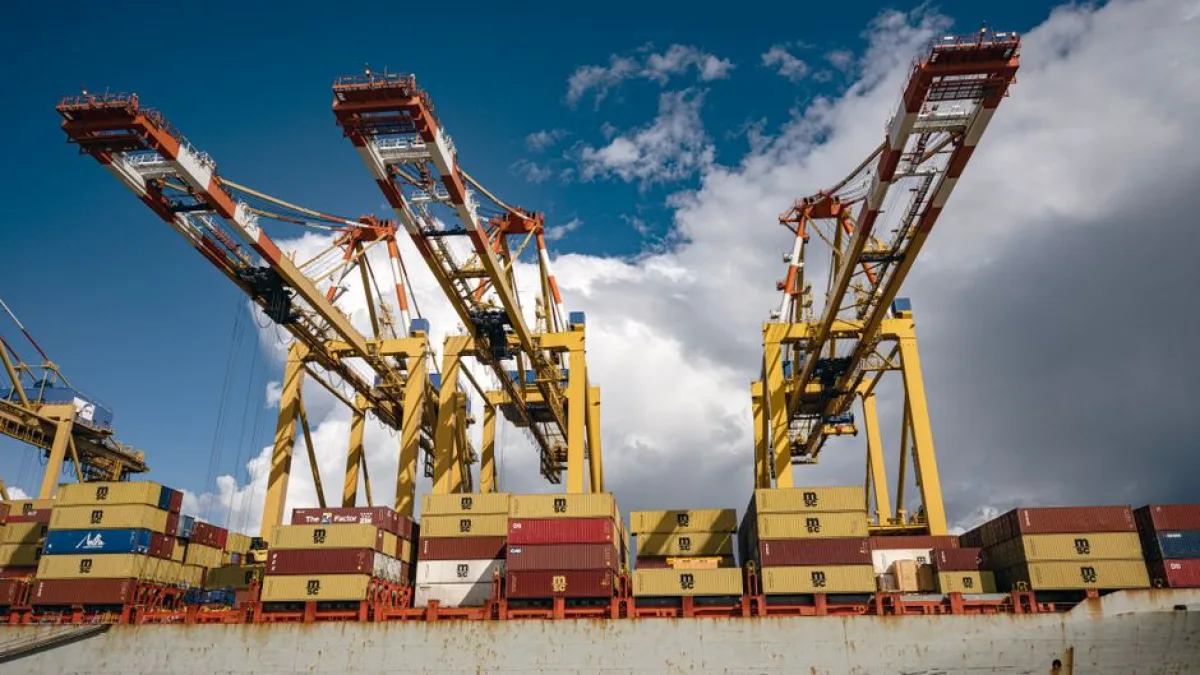
Providing clients with instant access to their shipment status reduces administrative pressure on your team. When customers can view live transit updates without calling, your staff focuses on high value logistics challenges rather than answering simple status requests all day long.
- Automated status updates: Real time tracking data flows directly from your operations team to the client dashboard to ensure everyone stays informed about current cargo locations and delivery schedules.
- Reduced support queries: Minimizing phone calls and emails regarding shipment status allows your operations staff to allocate time toward optimizing routes and solving complex logistics problems for your clients.
- Interactive map visualization: Visual representations of vessel paths and air freight routes provide clients with clear geographical context regarding their shipments, which improves clarity and reduces unnecessary anxiety levels.
- Milestone notification triggers: Custom alerts notify clients automatically when their cargo reaches critical points in the supply chain to foster transparency and proactive communication throughout the entire shipping process.
Empowering your clients with self service tools is a major competitive advantage in today fast moving global economy. By digitizing your tracking infrastructure, you ensure that information remains accurate and accessible at any hour of the day. This transition not only streamlines internal communication but also reinforces your reputation as a modern forwarder that leverages technology to deliver exceptional client value every single time.
Streamlined Documentation Management

Physical paperwork often leads to lost files and communication delays that hinder global trade. A centralized portal acts as a digital repository where invoices, bills of lading, and customs declarations are stored safely for easy access and instant retrieval.
- Centralized file repository: Organizing all essential shipping documents in a single secure location eliminates the need for messy email chains and ensures all parties view the current files.
- Secure document upload: Clients can upload necessary documents directly through the portal to simplify compliance processes and reduce the chance of manual errors during the data entry stage.
- Instant invoice access: Providing clients with immediate access to their billing history and outstanding invoices improves your cash flow management and helps clients plan their logistics budgets better.
- Version control tracking: Maintaining a clear history of document edits and updates prevents confusion over which file is the master copy, thus protecting your business from potential liabilities.
Moving away from legacy paper based systems is a critical step toward professionalizing your logistics operations. A portal simplifies the document lifecycle by making retrieval fast and secure for your customers. This level of organization reduces operational bottlenecks and helps your team maintain compliance with international trade regulations, ultimately positioning your freight forwarding business as a reliable partner in a global landscape.
Improved Communication And Collaboration

Effective communication is the cornerstone of successful logistics management. By moving conversations into a secure portal, you eliminate the risks of lost emails and ensure that all stakeholders stay perfectly aligned throughout the entire complex shipment lifecycle.
- In-app messaging system: Dedicated chat channels allow for focused conversations related to specific shipments, which keeps critical information organized rather than buried in overflowing and chaotic email inboxes.
- Task assignment features: Assigning specific follow up actions to internal team members or clients within the portal ensures that important deadlines are never missed during transit operations.
- Shared knowledge base: Hosting frequently asked questions or guide documents within the portal empowers clients to find their own answers without requiring direct contact from your staff.
- Permission based access: Controlling which stakeholders can view or edit specific data fields ensures that sensitive information remains protected while still allowing for necessary collaborative inputs across teams.
Consolidating your communication into one platform removes the friction that causes delays in freight forwarding workflows. When both your team and your clients work from the same source of truth, misunderstandings decrease and project efficiency rises significantly. By prioritizing clear collaboration, you build stronger partnerships and demonstrate a commitment to service excellence that encourages repeat business from your most valued logistics clients.
Increased Data Security Standards

Protecting client data is essential for maintaining trust in the digital age. A professional customer portal offers advanced encryption and role based access controls that prevent unauthorized parties from viewing sensitive financial information or private shipping details.
- Advanced data encryption: Using industry standard security protocols ensures that all sensitive information transmitted through your portal remains shielded from external threats and cyber attacks at all times.
- Role based access: Defining specific permissions for different user types ensures that employees and customers only see the information relevant to their unique roles and individual responsibilities.
- Comprehensive audit logs: Tracking who accessed which documents and when provides a necessary layer of accountability that helps your business meet strict international compliance and reporting standards.
- Regular security updates: Automatic software patches and security enhancements protect your platform from emerging digital threats without requiring constant manual intervention from your internal IT support team.
Data integrity is a non-negotiable requirement for freight forwarders operating in global markets today. By investing in a secure portal, you protect your company from digital risks while simultaneously demonstrating a high level of professionalism to your clients. This focus on safety allows your customers to share information with confidence, enabling a faster and more efficient flow of goods across borders.
Conclusion

Adopting a customer portal is a transformative move for any freight forwarder looking to scale operations and improve client satisfaction. By integrating tracking, documentation, and secure communication into one interface, you reduce overhead costs and eliminate manual inefficiencies. Start your digital transformation journey today with MakeCargo to provide the modern, transparent service that your clients expect in today fast paced global shipping industry.