Why a Modern Customer Portal is Essential for Freight Forwarding Growth
Wednesday, September 23 2026

In today's fast-paced logistics landscape, freight forwarders face increasing pressure to deliver real-time transparency and seamless digital interactions. Relying on manual updates and fragmented email chains no longer satisfies the demands of modern shippers who expect instant access to their shipment data. By implementing a dedicated customer portal, your logistics business can bridge the communication gap, drastically reducing the time spent on routine status inquiries. This shift not only improves operational efficiency but also elevates the overall client experience. As clients gain autonomy over their supply chain tracking, your team gains the freedom to focus on high-value logistics challenges.
Centralized Shipment Visibility
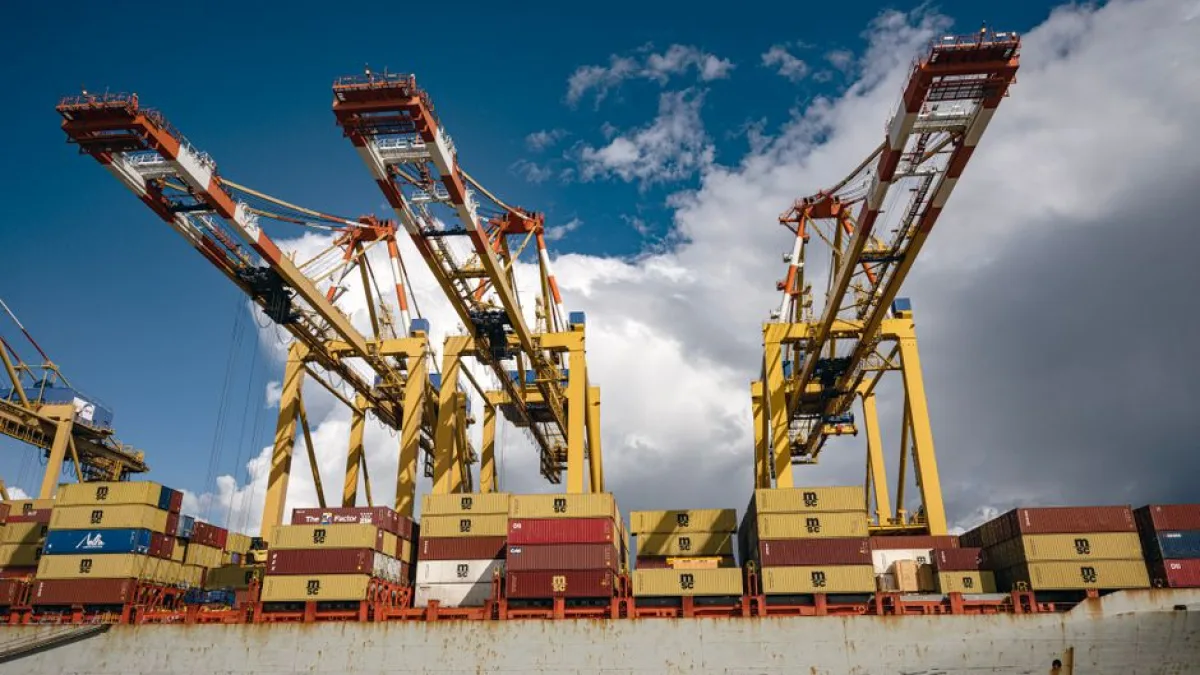
Providing clients with a single source of truth for all their logistics activities eliminates confusion and prevents data silos. A centralized dashboard allows stakeholders to monitor current shipments, review historical performance, and access vital documentation without needing a phone call.
- Real-time tracking status: Empower your customers with live GPS tracking and automated status updates that reflect current milestone achievements across every phase of the international shipping lifecycle and transit.
- Instant document access: Eliminate the need for manual email attachments by providing a secure repository where clients can download bills of lading, commercial invoices, and essential customs clearance documents.
- Historical data analytics: Offer your clients deep insights into their shipping patterns through intuitive reporting tools that help them identify bottlenecks and optimize their long-term supply chain strategies.
- Multi-mode support: Manage diverse logistics requirements within a single interface, ensuring that air, sea, and land shipments are all visible to the client through one unified web platform.
Adopting a centralized portal transforms your relationship with clients from reactive to proactive. By providing transparency, you build trust and ensure that customers feel in control of their cargo. This level of professional service distinguishes your brand in a crowded market. When shippers see their data presented clearly and accurately, they are far more likely to remain loyal to your forwarding services long term.
Automating Routine Communication

Automation is the secret weapon for scaling a freight forwarding business without expanding your headcount. By digitizing standard notifications and status alerts, your portal removes the daily burden of answering simple questions regarding the whereabouts of critical consignments.
- Automated milestone alerts: Configure the system to push notifications directly to the customer as soon as a shipment passes a key waypoint, reducing inbound support calls significantly every day.
- Self-service inquiry logs: Allow clients to raise tickets or ask questions directly linked to specific shipments, ensuring your team has the full context required to provide fast answers.
- Smart quote requests: Simplify the procurement process by allowing customers to submit shipping specifications through web forms that automatically populate your pricing engine for rapid quote generation.
- Client-specific dashboards: Customize the user interface for high-volume customers, highlighting the metrics and status updates that matter most to their specific business requirements and operational goals.
Reducing manual labor allows your staff to focus on solving complex logistical problems rather than repeating basic status information. When your digital tools handle the heavy lifting of routine communication, your service quality improves consistently. Clients appreciate the speed of automated updates and the convenience of a self-service environment. This efficient workflow creates a foundation for sustainable growth within your forwarding operations.
Boosting Professional Brand Trust
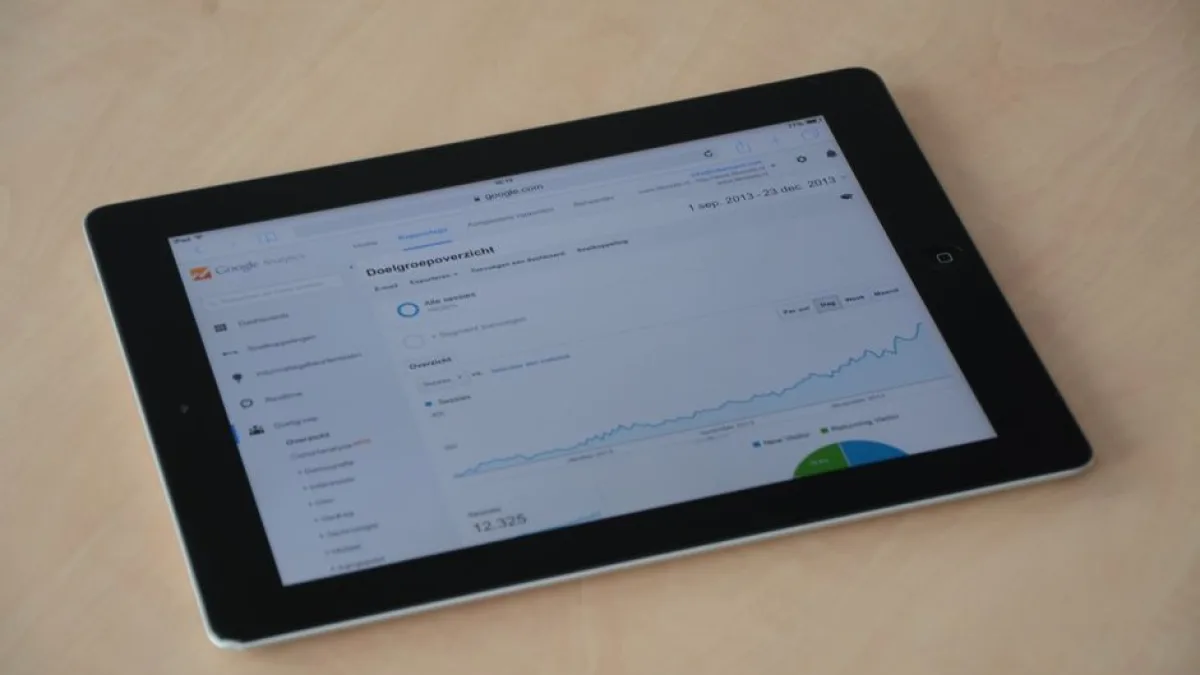
A sleek, branded customer portal acts as a powerful marketing tool that reinforces your identity as a technology-forward logistics provider. When your clients log into a professional interface, it demonstrates that your company invests in their long-term success.
- Custom brand styling: Incorporate your company logo and specific brand colors into the portal interface to provide a cohesive experience that keeps your firm top of mind.
- Secure data exchange: Implement robust security protocols that ensure sensitive shipping and financial data remains protected, giving your clients peace of mind throughout the entire process.
- Improved user retention: Deliver a consistently high-quality digital experience that keeps your clients coming back to your platform rather than seeking alternative providers with better technology.
- Enhanced service perception: Differentiate your forwarding business from traditional competitors by offering a modern web experience that meets the evolving digital standards of today's corporate world.
Investing in your digital presence builds significant brand equity with every single interaction. Clients equate a professional portal with reliability and competence, which are critical traits in the logistics industry. By consistently delivering a superior digital experience, you strengthen client relationships and differentiate your business. This commitment to modern technology ensures that you remain competitive and attractive to shippers needing digital solutions.
Streamlining Internal Operations
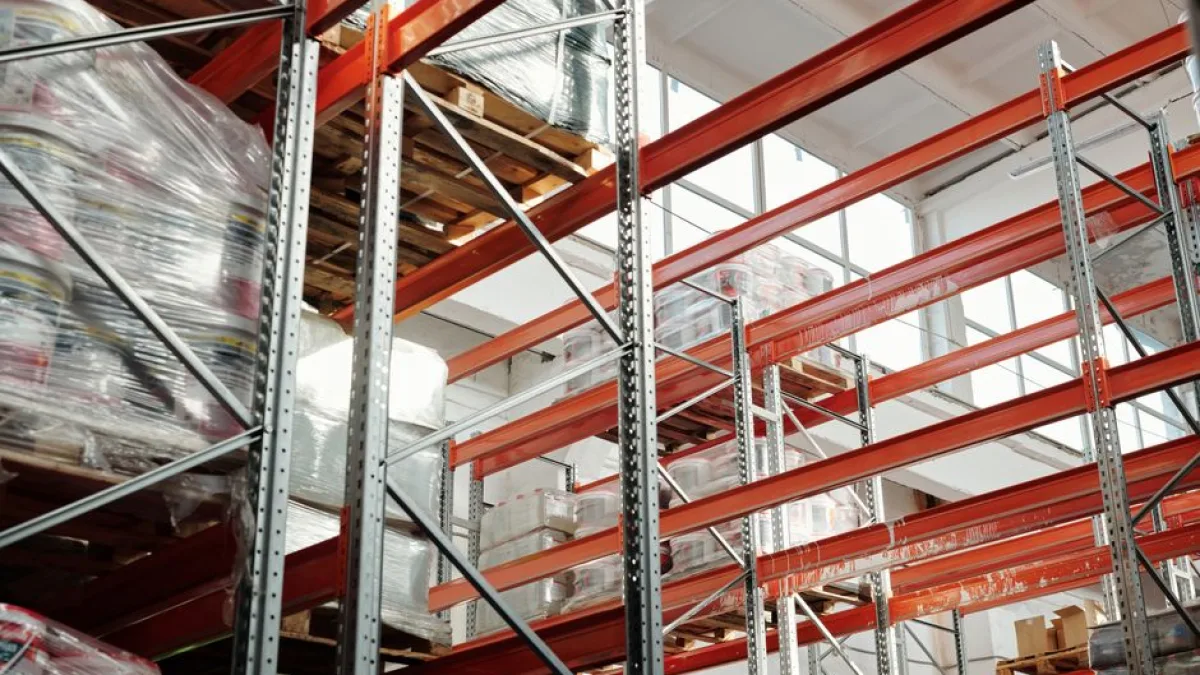
The internal benefits of a customer portal are just as significant as the external ones. By offloading data access to the customer, you minimize the risk of human error and ensure that your team is always working on tasks that provide value.
- Reduced administrative burden: Cut down on the hours your staff spends manually updating spreadsheets or answering routine status emails to focus on complex booking and management tasks.
- Improved data accuracy: Allow clients to input their own shipment details and documentation, which reduces the chance of transcription errors occurring during the manual booking entry process.
- Enhanced team collaboration: Utilize the portal as a collaborative workspace where account managers and operations staff can see exactly what the client is viewing in real-time.
- Better resource allocation: Reallocate your talented staff toward sales or complex customs brokerage tasks, knowing that basic customer needs are being met through your automated digital system.
Optimizing your internal workflow creates a more agile freight forwarding business. When your team spends less time on redundant tasks, they can focus on high-impact activities that drive revenue and improve customer satisfaction. A portal acts as an efficiency engine that supports your employees while satisfying client needs. This balanced approach to operations is key to maintaining profitability in the logistics sector.
Conclusion

Deploying a robust customer portal is the most effective way to modernize your freight forwarding services and scale your business operations effectively. By focusing on visibility, automation, and professional design, you provide a superior experience that secures long-term client loyalty. Start evaluating your digital capabilities today to ensure your firm remains at the forefront of the logistics industry and delivers exceptional value.