Why Modern Freight Forwarders Need a Dedicated Customer Portal
Tuesday, October 13 2026

In today's fast-paced logistics landscape, manual communication methods like endless email chains and phone calls are quickly becoming obsolete. Freight forwarders are increasingly adopting cloud-based customer portals to centralize operations and provide real-time transparency for their clients. By empowering shippers with self-service tools, logistics companies can reduce administrative burdens, eliminate information silos, and foster stronger professional relationships. This shift toward digital transformation not only improves operational efficiency but also distinguishes forward-thinking businesses from their competitors. Embracing a sophisticated customer portal is no longer a luxury but a fundamental necessity for those aiming to scale their freight operations effectively.
Real-Time Shipment Visibility
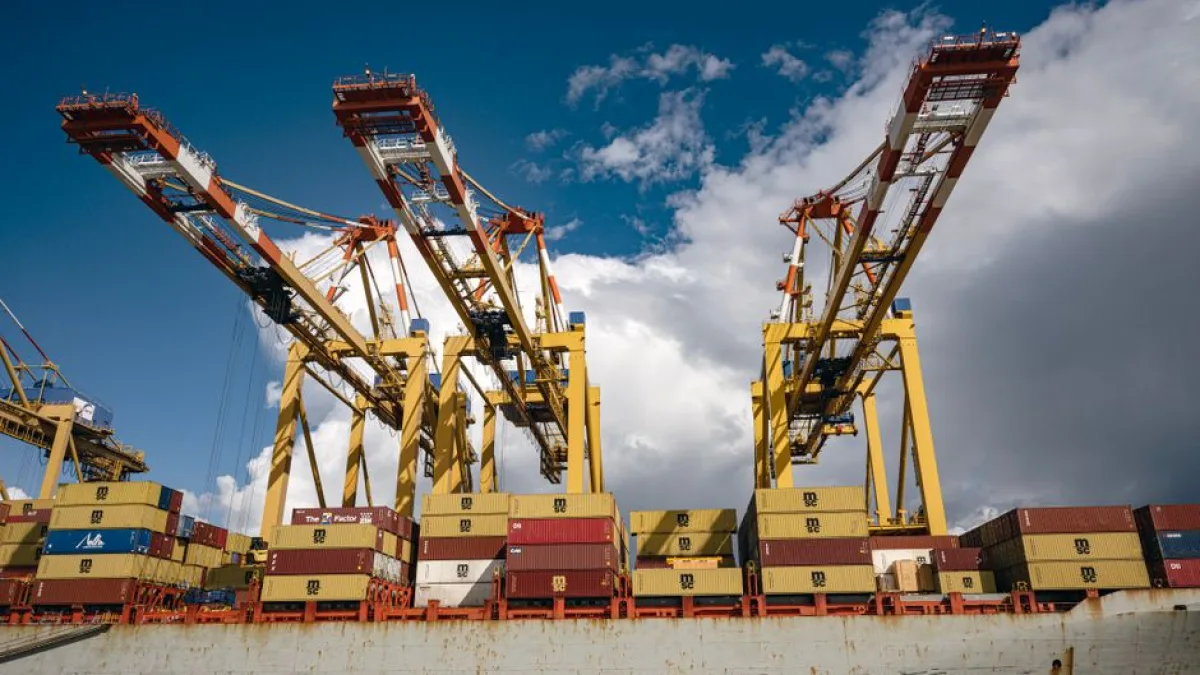
Digital visibility transforms how your clients interact with their cargo throughout the entire supply chain journey. By providing an interactive dashboard, forwarders can automatically update tracking statuses, ensuring that shippers never have to guess the current location of their valuable goods.
- Instant Status Updates: Provide clients with automated notifications that eliminate the need for manual check-ins, allowing them to monitor shipment milestones from departure to final delivery at destination warehouses.
- Global Map Tracking: Utilize integrated mapping tools that allow shippers to visualize the entire path of their cargo across ocean, air, and land routes for improved peace of mind.
- Automated Tracking Alerts: Set up customizable email or portal notifications that trigger whenever a shipment status changes, ensuring total transparency for stakeholders across various global time zones effortlessly.
- Historical Data Logs: Maintain a comprehensive archive of every past movement, enabling clients to analyze logistics patterns and plan future shipments based on verified historical transit performance metrics.
By offering this level of detailed oversight, freight forwarders build significant trust with their user base. When shippers feel confident that they have access to the exact same data as their logistics provider, the entire relationship becomes more collaborative and less reactive. This shift reduces the volume of repetitive inquiry emails, freeing your team to focus on resolving complex logistics problems instead of checking statuses.
Centralized Document Management

Managing bills of lading, commercial invoices, and packing lists often results in lost files or email clutter. A customer portal serves as a secure, searchable repository where all essential shipping documentation resides in one accessible location for your authorized clients.
- Secure Document Vault: Host all critical shipping documents in a highly protected digital environment, ensuring that sensitive information remains compliant with industry security standards and internal privacy protocols.
- Easy File Access: Allow your customers to download necessary customs paperwork or invoices whenever they need them, saving your team from processing individual requests throughout the workday.
- Version Control Systems: Ensure that all parties are working with the most current version of shipping documents by implementing automated updates that replace outdated files in real time.
- Simplified Upload Portal: Enable shippers to securely upload their own packing lists or certificates directly into the platform, streamlining the intake process and reducing data entry errors today.
Centralization solves the common problem of searching through years of archived emails to locate a missing document. With a dedicated portal, your team spends less time acting as a digital filing cabinet and more time providing value-added services. Clients appreciate the professional nature of a structured repository, which contributes directly to customer retention and helps your forwarder business stand out from competitors.
Streamlined Communication Channels

Effective communication is the lifeblood of logistics, yet it is often the most broken part of the process. Replacing fragmented email threads with an integrated messaging system inside your portal keeps every stakeholder aligned and ensures no critical information gets buried deep in a inbox.
- Integrated Messaging Tools: Facilitate direct communication between the client and the operations team within the context of specific shipments, preventing misunderstandings related to container numbers or carrier details.
- Unified Discussion Threads: Maintain a clear record of all conversations linked directly to a shipment, providing a single source of truth for both the forwarder and the end customer.
- Priority Support Queues: Route urgent client inquiries to the appropriate desk automatically, ensuring that high-value cargo issues receive the immediate attention they require without manual email triage steps.
- Internal Comment Visibility: Control which notes are visible to the client and which remain internal for your staff, maintaining professional standards while keeping collaboration fluid and highly effective.
Standardizing how communication happens leads to faster resolution times for common logistics inquiries. When a shipment encounters a delay or a port congestion issue, having a direct channel within the portal allows for proactive updates. This approach minimizes client frustration and demonstrates that your company is organized, responsive, and fully in control of the supply chain journey even during unexpected events.
Enhanced Data Analytics

Data is the most valuable asset a modern freight forwarder possesses. A professional customer portal gives your clients powerful analytics tools that help them evaluate their own shipping costs, transit times, and carrier performance with just a few clicks of a button.
- Custom Performance Reports: Generate detailed analytics dashboards that highlight key performance indicators such as on-time delivery percentages, total transit costs, and average shipping durations for specific trade lanes.
- Cost Analysis Tools: Provide shippers with interactive graphs that visualize spending trends, helping them identify opportunities for cost savings and better budget management for their future freight needs.
- Carrier Efficiency Ratings: Offer insights into how different carriers perform on various routes, allowing your clients to make data-driven decisions when selecting services for their upcoming international shipments.
- Exportable Data Sets: Enable users to download their logistics data in common file formats, making it easier for them to integrate shipping information into their own ERP software.
Providing these analytical tools transforms you from a simple service provider into a strategic partner. Clients who gain actionable intelligence from your portal are far more likely to remain loyal over the long term. You provide them with the evidence they need to justify their logistics spending to their own management, which creates a mutually beneficial cycle of continued growth and success.
Conclusion

Adopting a robust customer portal is the most effective way to modernize your freight forwarding operations and improve overall service levels. By centralizing communication, document management, and shipment visibility, you empower your clients while increasing your own team productivity. Start your digital transformation journey with MakeCargo to simplify your business processes and deliver the modern experience that global shippers expect in today's market.