Revolutionizing Logistics: Why Your Freight Forwarding Business Needs a Customer Portal
Saturday, August 8 2026

In the fast-paced world of global logistics, efficiency acts as the primary differentiator for competitive freight forwarders. Modern shippers expect instant access to their shipment data, real-time tracking updates, and seamless document management around the clock. By implementing a dedicated customer portal, forwarders can transition from manual status reporting to an automated, digital-first experience that delights clients while reducing operational overhead. This technology integration not only streamlines your internal processes but also fosters long-term transparency and trust. As the industry continues its digital evolution, providing a robust, user-friendly interface is no longer a luxury but a fundamental necessity for sustainable growth.
Enhanced Visibility and Tracking

Real-time visibility empowers your clients to monitor their cargo status without constant phone calls. By integrating live tracking into your portal, you provide stakeholders with immediate access to critical data points, ensuring they remain informed throughout the complex supply chain process.
- Automated status updates: The system pushes instant notifications to clients when shipment milestones are reached, effectively reducing the manual workload on your customer service staff during busy work days.
- Live location monitoring: Integrated tracking maps allow users to see the exact position of their ocean or air freight in real time, providing peace of mind and predictability.
- Milestone tracking clarity: Clients can view progress updates for every stage of the transit, from pickup and warehousing to final delivery at the destination warehouse or facility.
- Historical data access: Users can easily browse through their past shipments and tracking histories, which helps them analyze trends and plan their future supply chain logistics strategies.
By empowering clients with a self-service tracking interface, your team gains valuable time back in their daily schedule. Instead of fielding routine status inquiries, staff can focus on high-value tasks like managing complex customs issues or developing better client relationships. This shift in operational focus leads to significant improvements in both customer satisfaction levels and your overall team productivity during peak seasons.
Centralized Document Management

Moving away from cluttered email threads and physical filing cabinets is essential for modern business operations. A centralized portal ensures that every invoice, bill of lading, and certificate is securely stored and accessible to authorized parties at any time.
- Secure document repository: All shipping documents are stored in a centralized, encrypted cloud environment, ensuring that your sensitive client data remains protected from unauthorized access at all times.
- Instant document retrieval: Clients can quickly search and download their essential shipping paperwork, such as proof of delivery, without needing to contact your team for manual support.
- Digital signature integration: The portal supports streamlined e-signing features, allowing your partners to approve and sign necessary documents directly within the browser to speed up customs clearance.
- Version control consistency: Automatic updates ensure that all users always access the most current version of a document, eliminating errors caused by outdated attachments sent via email.
Efficiency increases dramatically when your staff and your clients share a single source of truth for all critical documentation. Reducing the time spent searching for misplaced files directly translates into faster document processing and improved billing accuracy. By digitizing these manual workflows, you eliminate common communication bottlenecks that often plague traditional freight forwarding operations while ensuring total compliance across every single international shipping transaction.
Streamlined Client Communication

Clear communication is the heartbeat of a successful forwarding business. A customer portal provides a dedicated channel for inquiries, allowing you to manage client expectations and provide professional responses that are trackable, organized, and archived for future reference.
- Integrated messaging system: Direct communication tools within the portal allow clients to ask questions specific to an order, keeping discussions organized and preventing lost information in email.
- Internal team notes: Authorized staff can leave private notes on specific shipments to ensure seamless handovers between departments during different shifts or across different time zones.
- Activity audit logs: Every communication and update is logged in the system, providing a clear history of interactions that proves invaluable during disputes or complex audits.
- Standardized response templates: Use pre-defined templates within the portal to ensure that your customer support team provides consistent information, enhancing the professional image of your forwarding firm.
Removing the fragmentation caused by scattered email threads keeps your team aligned and highly responsive. When client queries are managed through a professional portal, you create a structured environment that minimizes miscommunications and errors. This organized approach builds greater professional trust with your clients, demonstrating that your business is prepared to handle their most sensitive logistics challenges with modern, secure, and reliable tools.
Scalable Growth and Efficiency
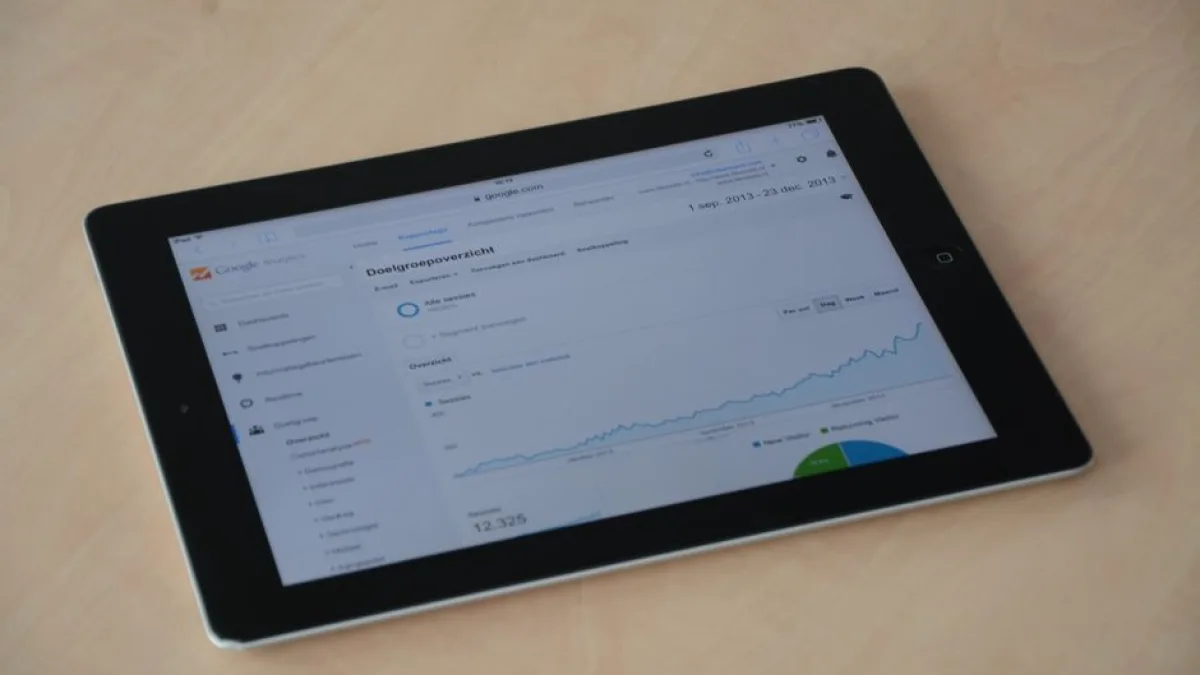
Investing in a scalable portal ensures your business handles increased volumes without a linear increase in administrative headcount. Automation allows your team to manage more shipments more effectively, fueling growth while maintaining a high standard of service quality.
- Seamless data integration: Your portal syncs perfectly with your core ERP or TMS systems, ensuring that data flows instantly without the need for error-prone manual data entry.
- Self-service account management: Clients can update their contact information, manage payment preferences, and view their statements independently, putting them in control of their own account details.
- Reporting and analytics: Generate automated performance reports that help clients understand their supply chain costs and transit times, which provides them with high-level strategic business insights.
- Flexible user permissions: Customize exactly what each client or stakeholder can view, providing the right level of access to ensure privacy and security across all user accounts.
Scaling a freight forwarding company requires tools that grow alongside your increasing shipment volume. By leveraging cloud-based portal technology, you remove the artificial growth ceilings imposed by manual administrative processes and legacy systems. This strategic investment allows you to deliver a superior digital experience, helping you win more bids and retain satisfied customers, ultimately driving higher profitability and long-term success for your business.
Conclusion

Adopting a robust customer portal is the most effective way to modernize your freight forwarding services and satisfy the demands of contemporary shippers. By providing transparency, digital efficiency, and streamlined communication, you set your business apart from competitors still reliant on outdated processes. Start your digital transformation journey today to ensure your firm remains agile, professional, and ready for future global logistics challenges.